 Image 1 of 1
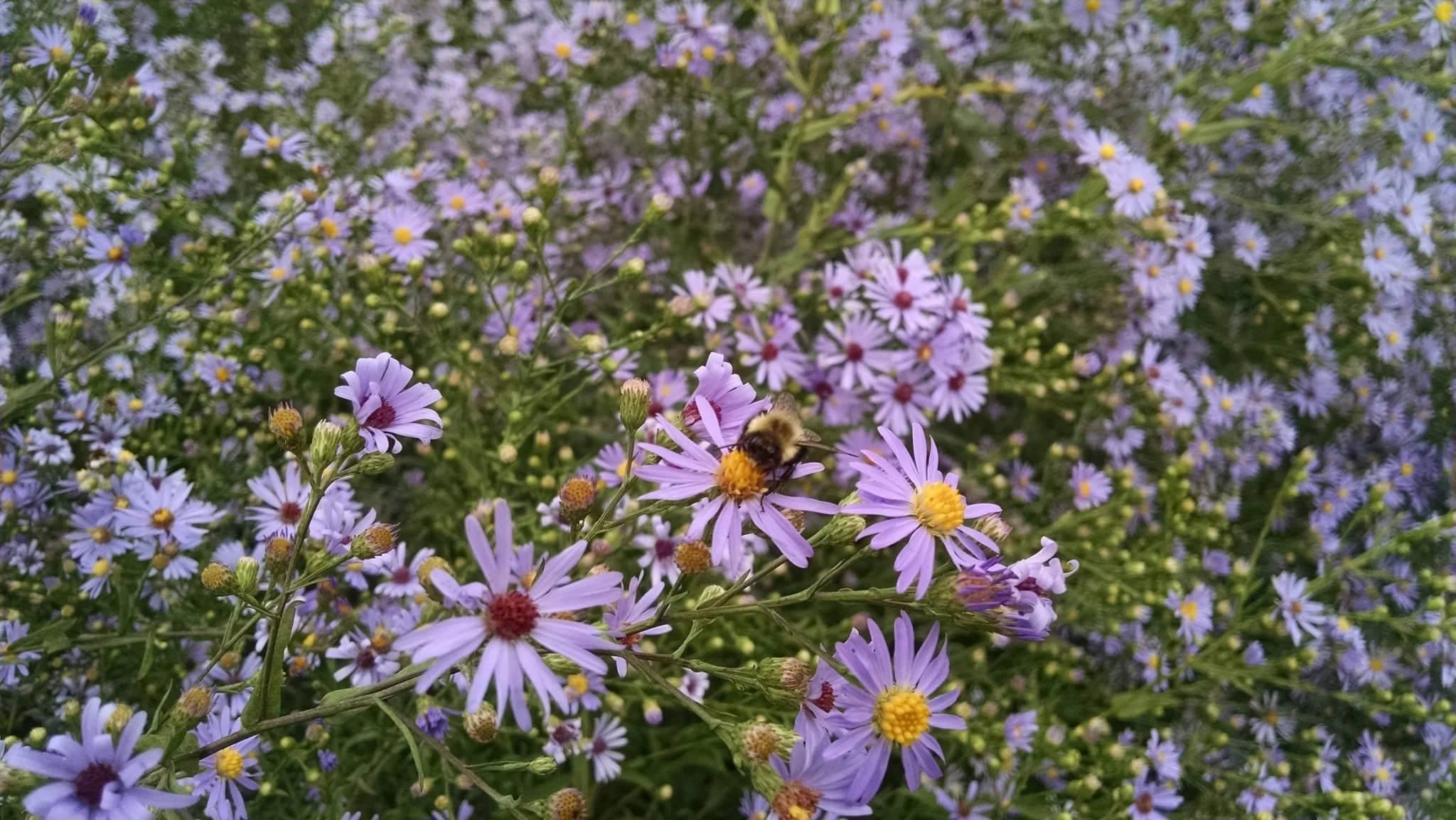
Smooth blue aster is one of those plants you start noticing more in Washington County once summer begins to fade. It tends to show up in open, dry areas like field edges, roadside slopes, and some of those thinner, rockier soils you see across the county, especially where limestone is close to the surface.
It handles those conditions without much effort. This is a plant that doesn’t need rich soil to perform. In fact, it’s right at home in the kind of well-drained, sometimes shallow soils that define a lot of our upland sites and disturbed ground.
By late summer into fall, it starts putting on soft blue to lavender flowers with yellow centers, right when most other blooms are winding down. That timing matters. You’ll see it stay active with pollinators, especially native bees and smaller insects that are still working the landscape late in the season.
It typically grows upright around 2–3 feet, with smooth, slightly bluish foliage that gives it a clean look even before it flowers. It’s not aggressive, but it will slowly spread over time and hold its space in a planting.
This is a strong choice for meadow plantings, dry slopes, and restoration areas where you need dependable late-season support for pollinators in Washington County conditions.
Light: Full sun to light shade
Soil: Dry to medium; well-drained, rocky or limestone-influenced soils
Height: 2–3 ft
Bloom: Late summer through fall
Wildlife: Native bees, butterflies, late-season pollinators
Growth: Upright perennial; slowly spreading, dies back in winter and returns in spring
Smooth blue aster is one of those plants you start noticing more in Washington County once summer begins to fade. It tends to show up in open, dry areas like field edges, roadside slopes, and some of those thinner, rockier soils you see across the county, especially where limestone is close to the surface.
It handles those conditions without much effort. This is a plant that doesn’t need rich soil to perform. In fact, it’s right at home in the kind of well-drained, sometimes shallow soils that define a lot of our upland sites and disturbed ground.
By late summer into fall, it starts putting on soft blue to lavender flowers with yellow centers, right when most other blooms are winding down. That timing matters. You’ll see it stay active with pollinators, especially native bees and smaller insects that are still working the landscape late in the season.
It typically grows upright around 2–3 feet, with smooth, slightly bluish foliage that gives it a clean look even before it flowers. It’s not aggressive, but it will slowly spread over time and hold its space in a planting.
This is a strong choice for meadow plantings, dry slopes, and restoration areas where you need dependable late-season support for pollinators in Washington County conditions.
Light: Full sun to light shade
Soil: Dry to medium; well-drained, rocky or limestone-influenced soils
Height: 2–3 ft
Bloom: Late summer through fall
Wildlife: Native bees, butterflies, late-season pollinators
Growth: Upright perennial; slowly spreading, dies back in winter and returns in spring