
Looking for Native Plants & Pollinator Habitats in Western Maryland?

Looking for Native Plants & Pollinator Habitats in the Hagerstown Valley?
Every property has the potential to become something more. We help restore forests, establish native habitats, grow food, and create landscapes that give back to both people and wildlife.
What do we offer?
Transform your yard into a thriving native ecosystem
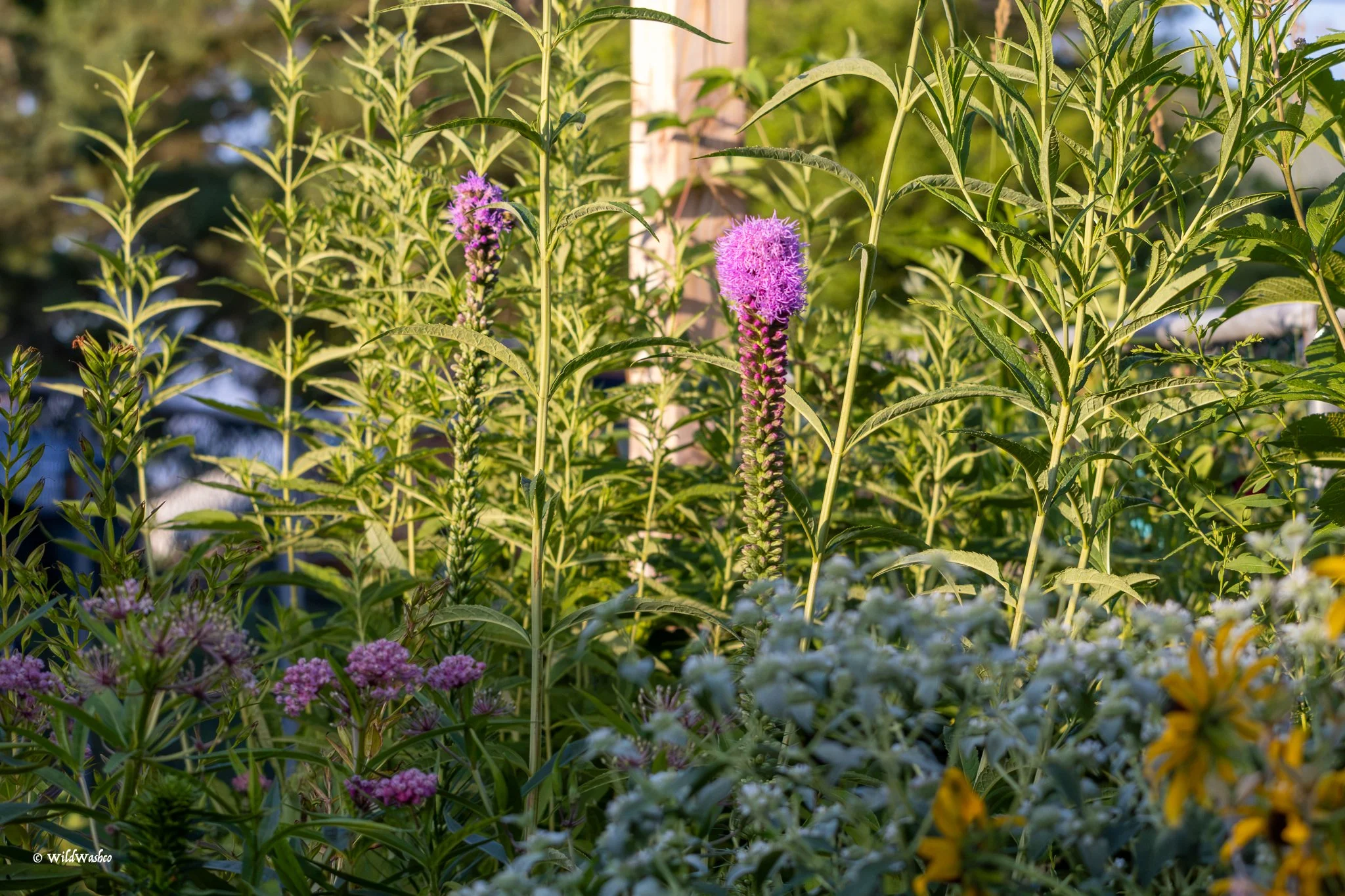
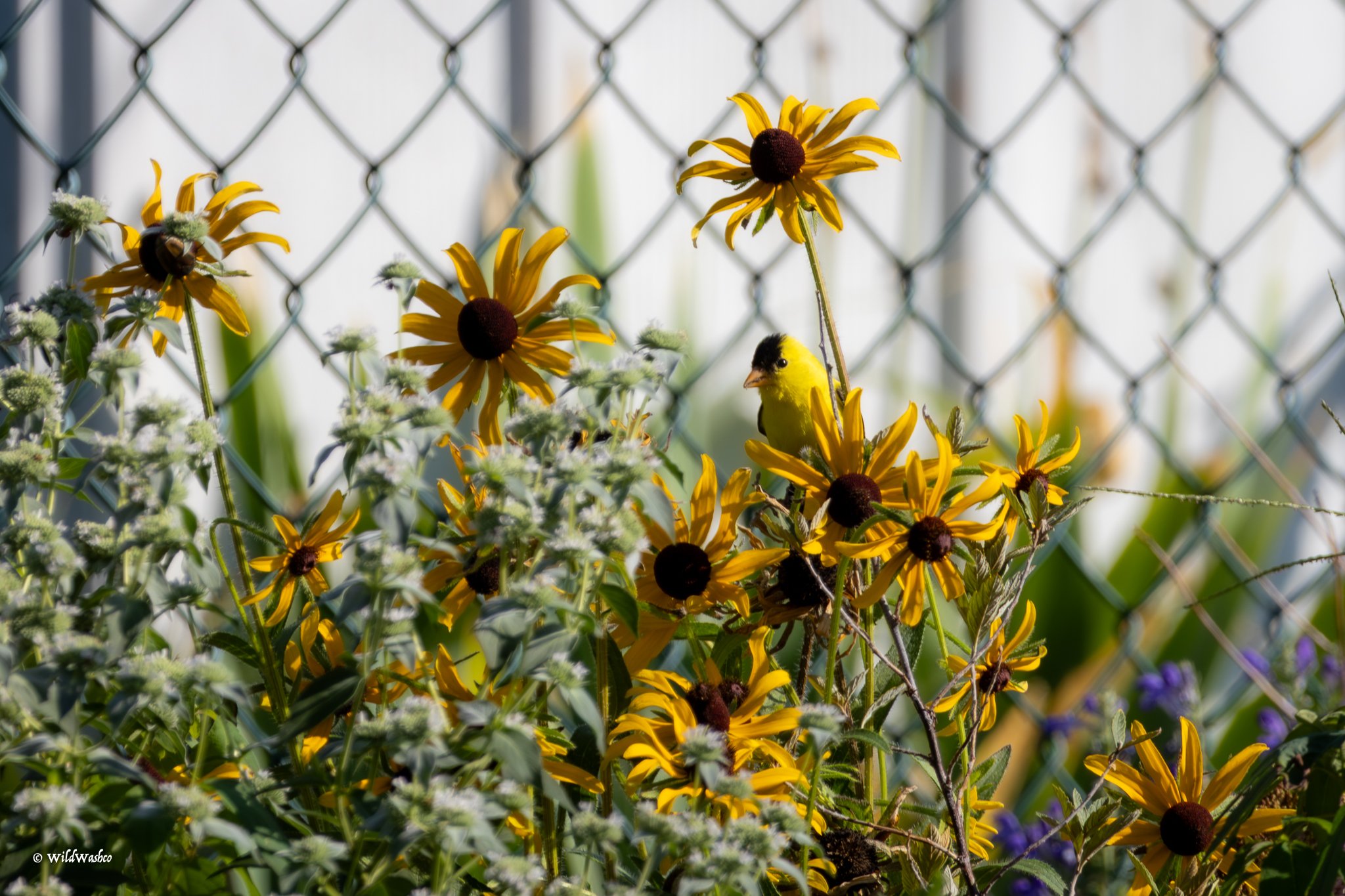
We design and build pollinator gardens, edible native plantings, and natural habitats using 100% regionally native species. Each install is custom-built for your land, your goals, and Appalachian ecology.

Handcrafted to restore life to your land.
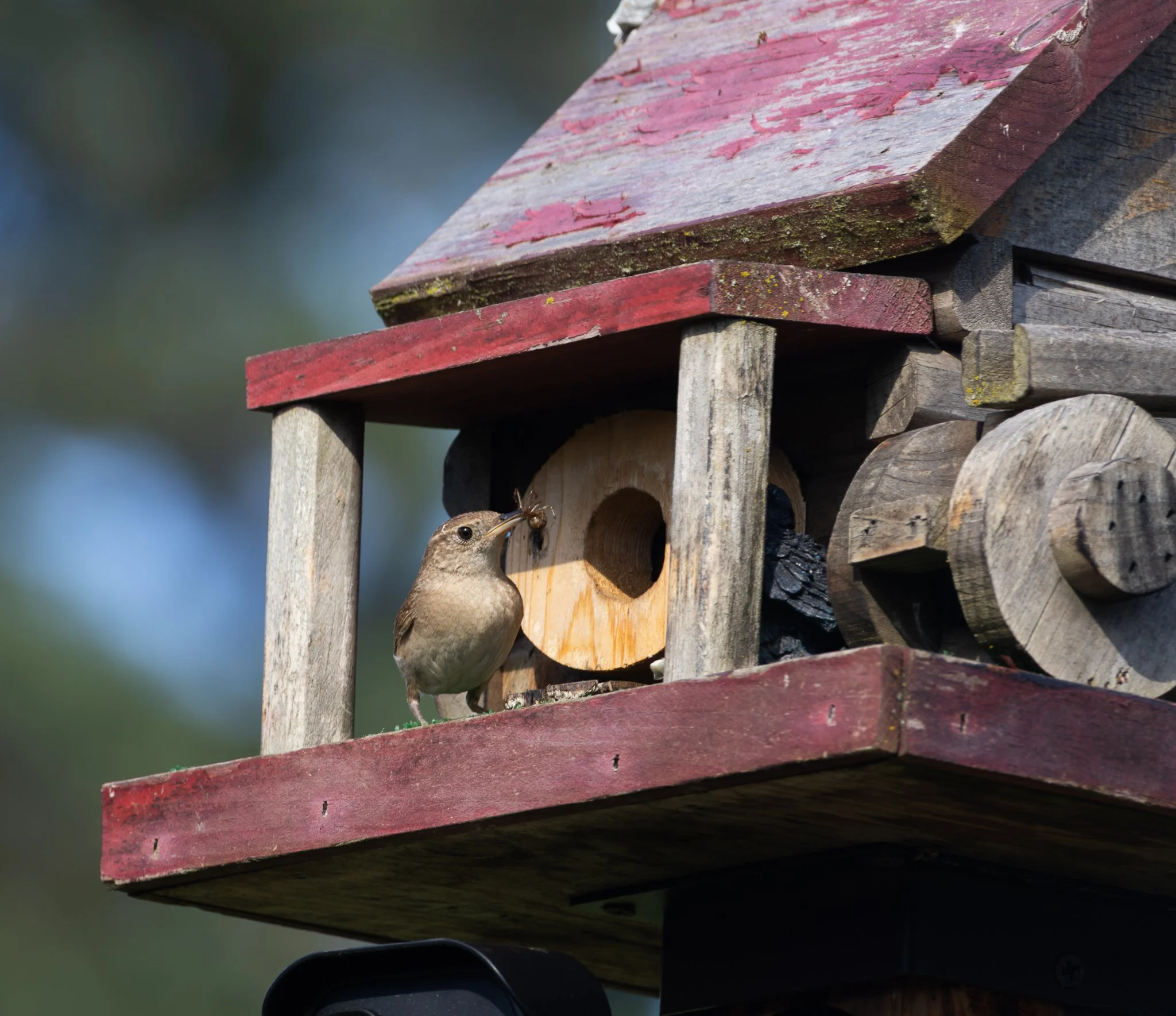
From native plant garden beds to birdhouses, trellises, and pollinator hotels—our structures are built from sustainable wood and designed to support wildlife and beautify your space.
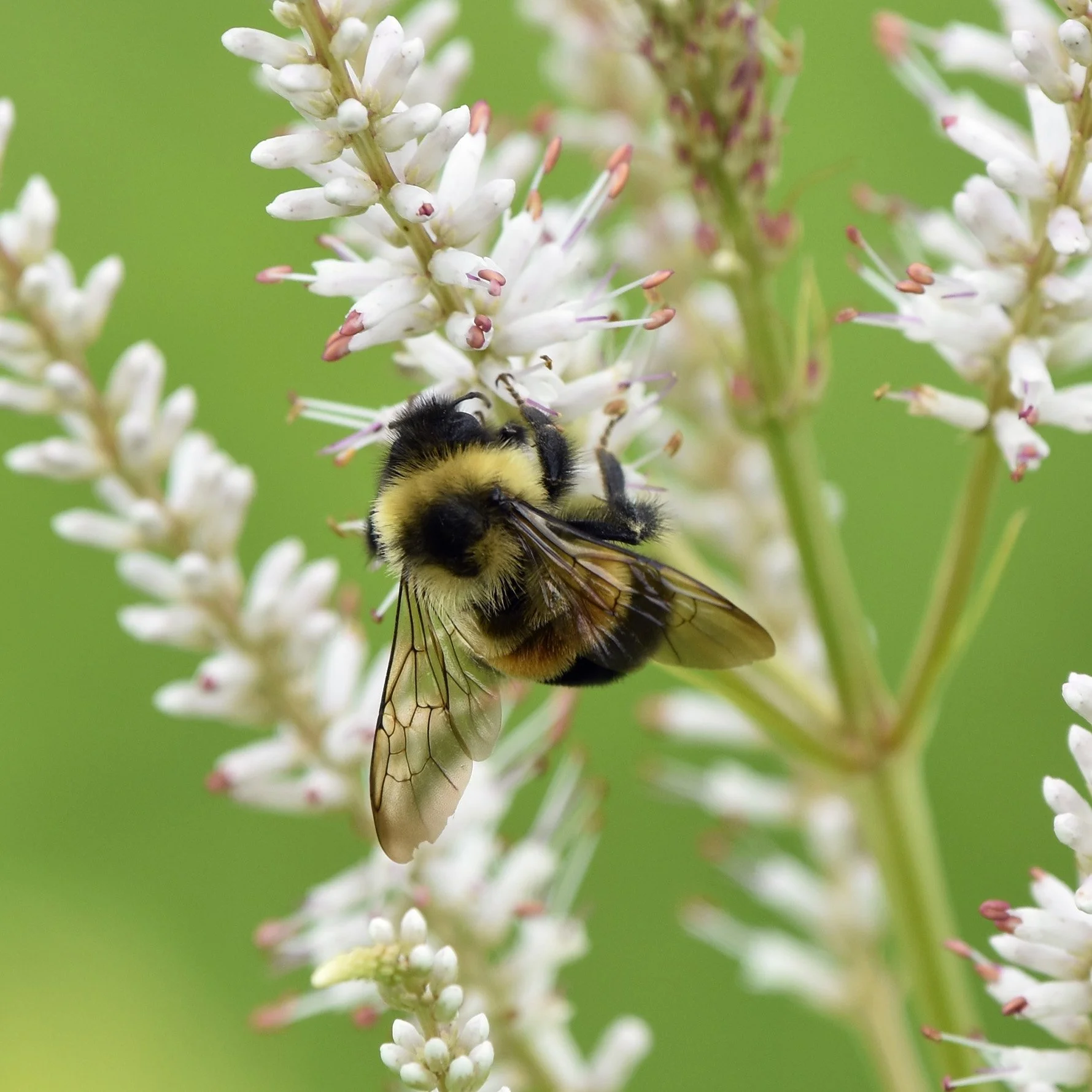
Rusty Patched Bumble Bees have lost roughly 87% of their historical range
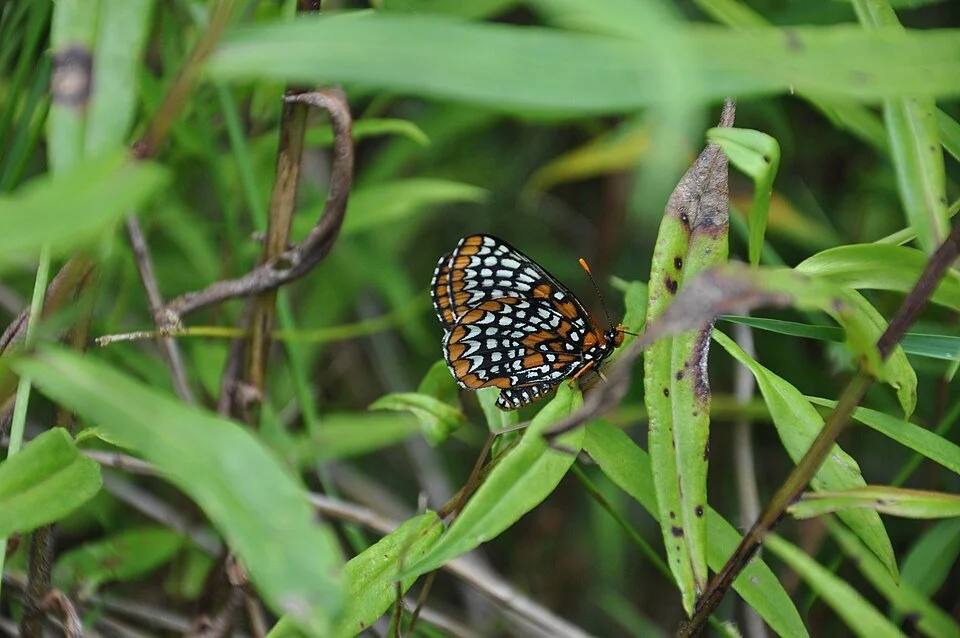
The Baltimore Checkerspot has disappeared from nearly half of the Maryland counties where it was once found.
Our ecosystems aren’t just changing…
They’re unraveling.
These species aren’t simply disappearing—they’re being evicted. Every new parking lot, development, manicured lawn, and patch of invasive plants takes away another piece of the habitat they need to survive. Habitat loss is happening one property at a time. Habitat restoration can happen the same way. Plant native. Give them somewhere to live.
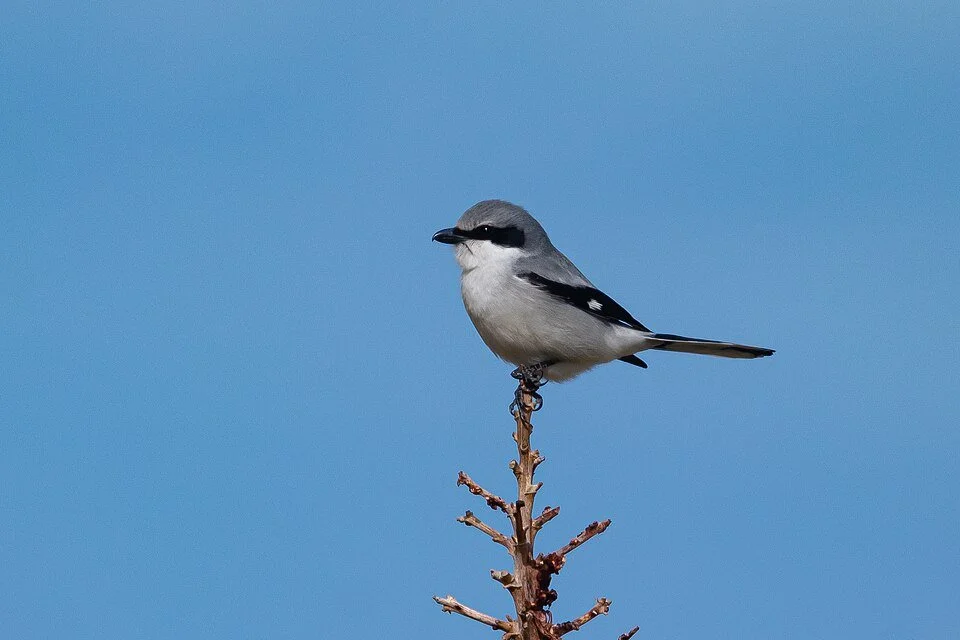
Once a breeding bird in Washington County, the Loggerhead Shrike is now a rare winter visitor and no longer nests here.
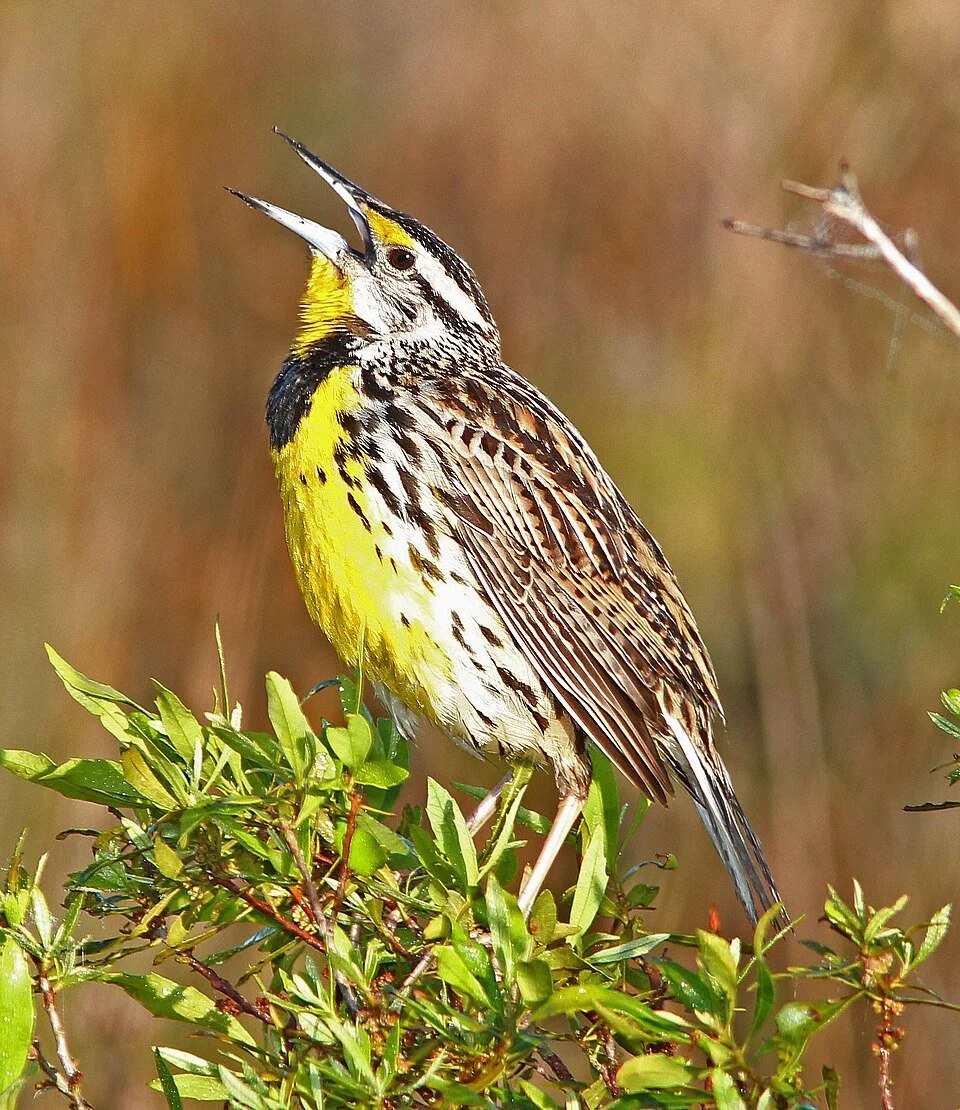
Eastern Meadowlarks have faced a 78% decline across North America since 1970.
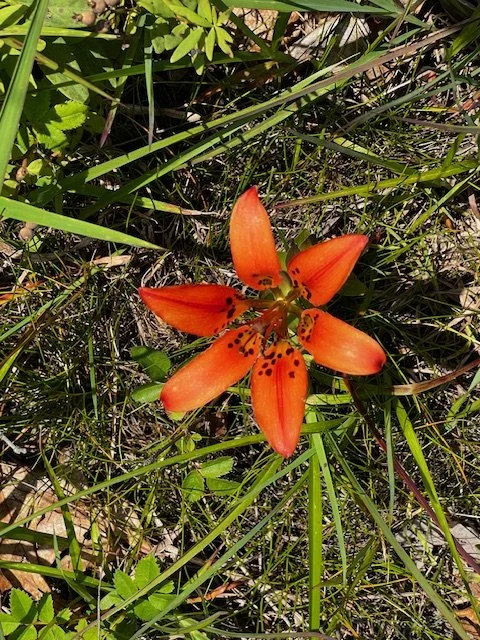
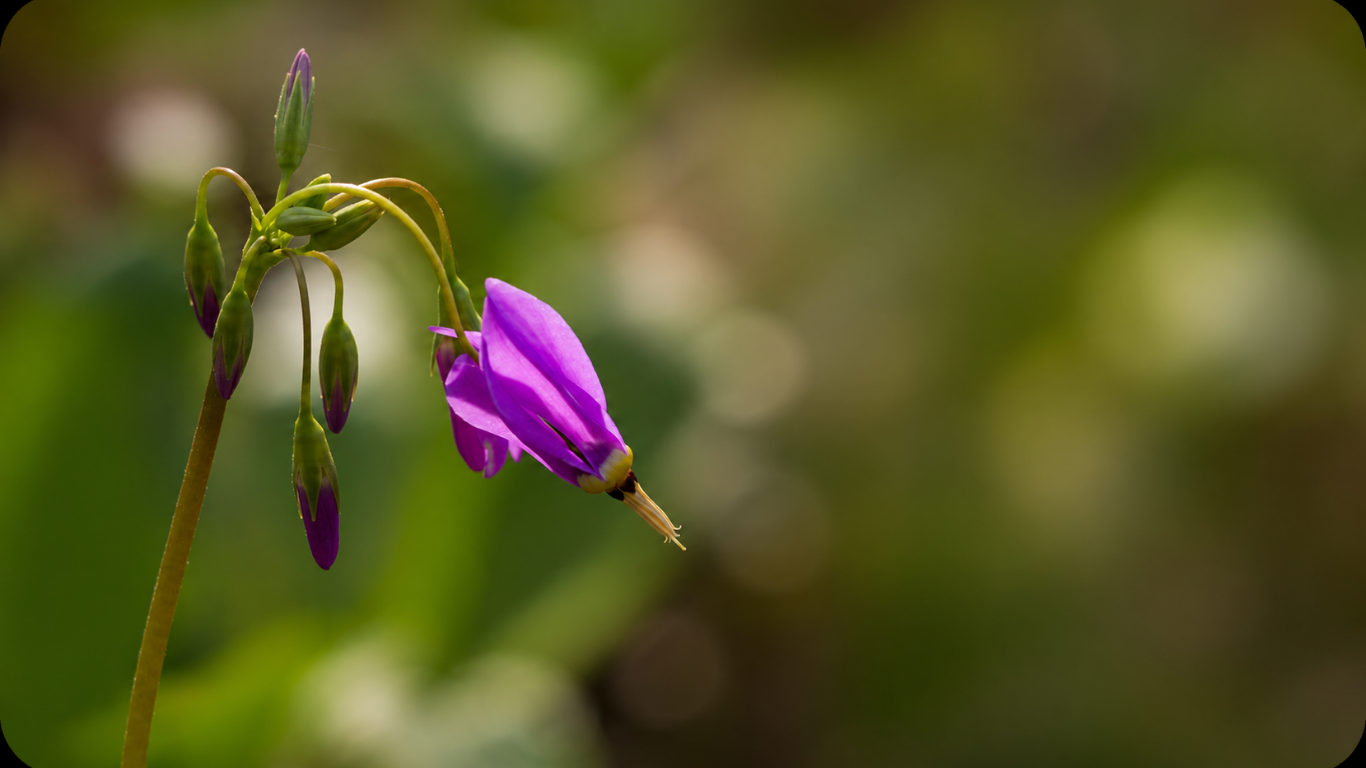
The Wood Lily was rediscovered in Maryland for the first time in 118 years.
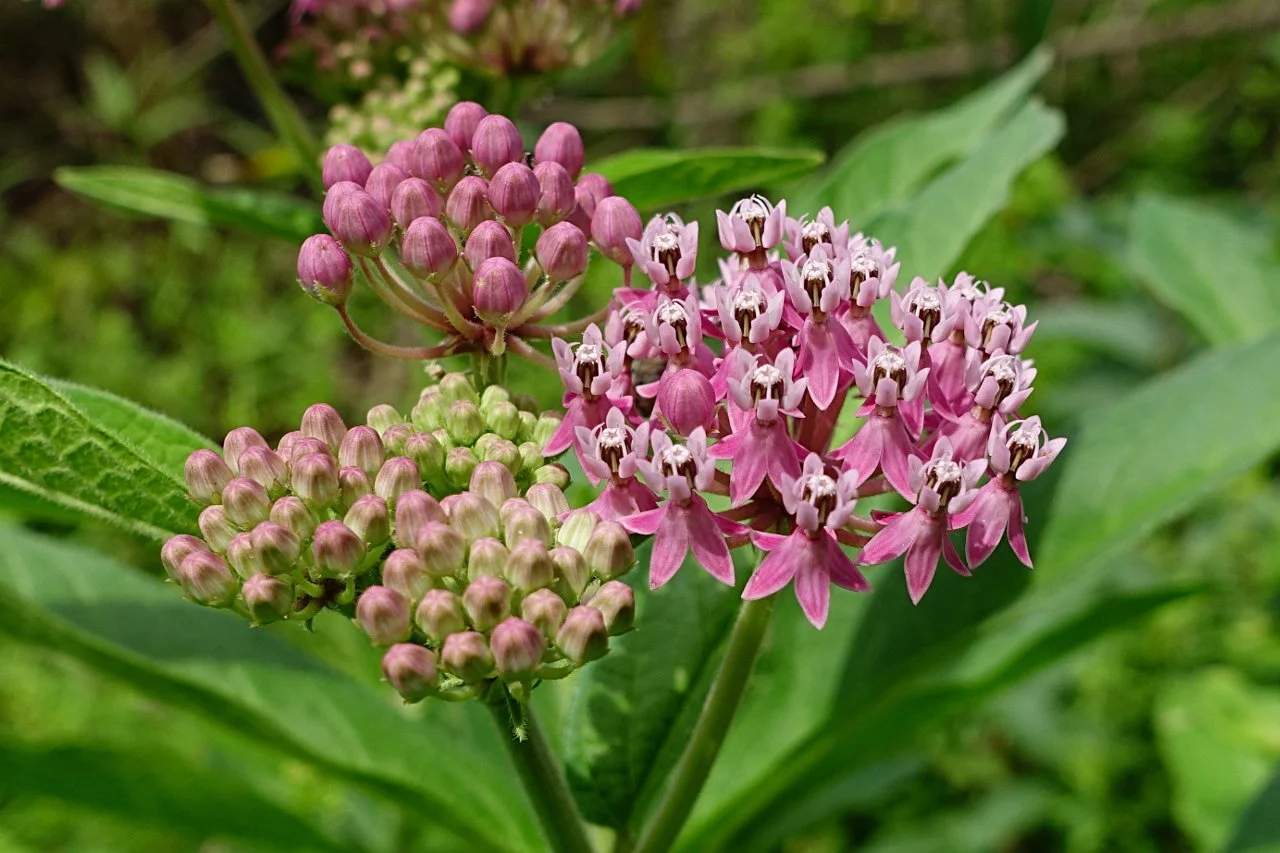
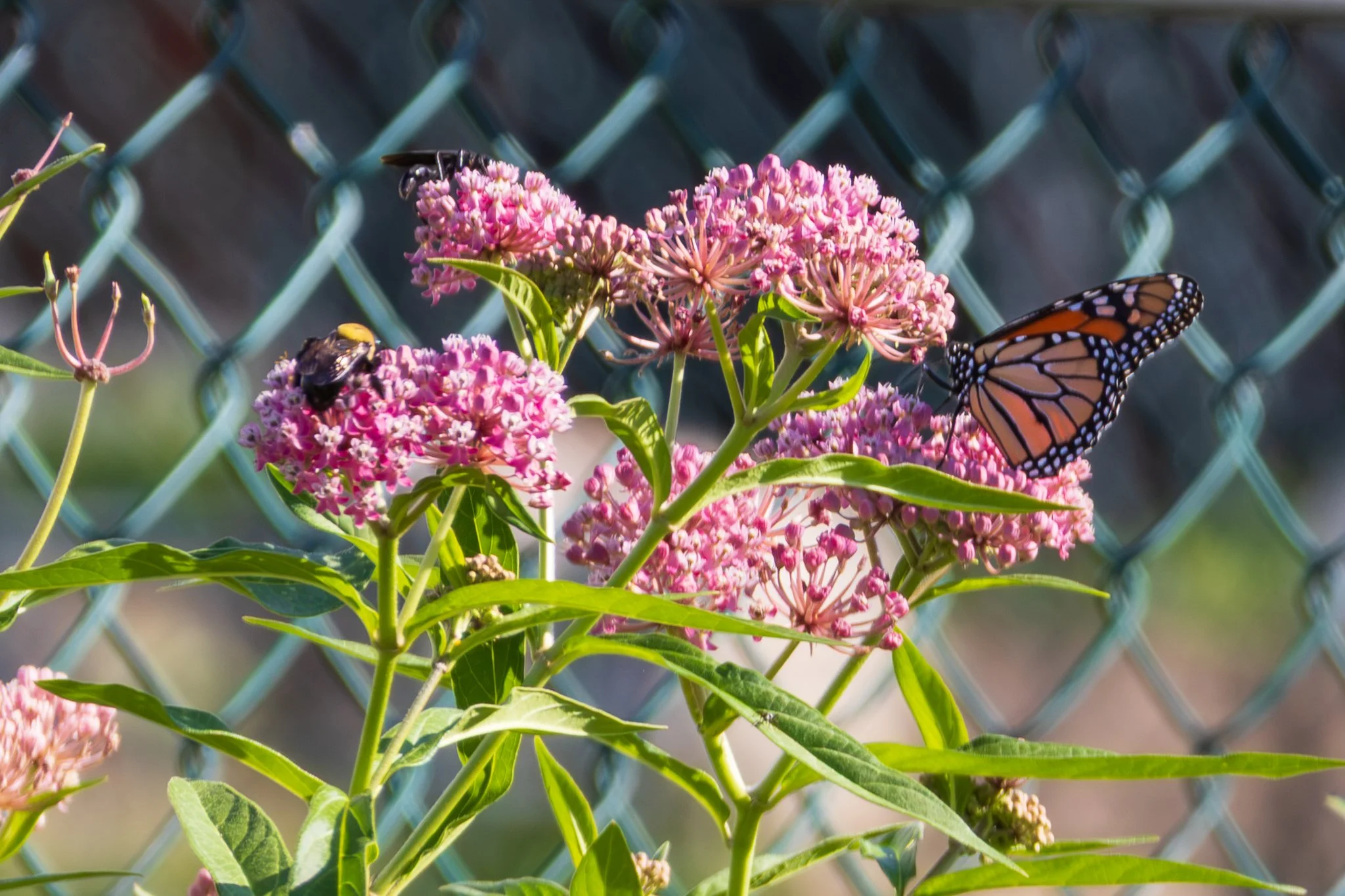
Swamp milkweed is a native wetland and wet meadow perennial found in marsh edges, floodplains, streambanks, ditches, and low areas where the soil stays consistently moist. In Washington County gardens, it is one of the better milkweeds for rain gardens, pond edges, and heavier soils that do not dry out too quickly.
Unlike common milkweed, swamp milkweed usually grows as an upright clump rather than spreading by wide underground colonies. It has narrow, opposite leaves, smooth stems, and clusters of pink to rose colored flowers held at the top of the plant in summer.
It prefers full sun with steady moisture, but it can handle average garden soil if watered during dry periods. It does not need to be planted directly in standing water. The best spot is moist soil with good light, especially where runoff collects or the soil stays cool longer into summer.
Swamp milkweed is one of the most useful host plants for monarch caterpillars. The flowers also support a wide range of native bees, butterflies, wasps, beetles, and other nectar feeding insects. After flowering, it forms narrow seed pods that split open and release wind carried seeds with silky hairs.
Plants usually reach around 3–5 feet tall. It can self seed in suitable open soil, but it is not usually aggressive. In cleaner garden beds, seedlings can be moved or thinned easily.
This is a strong fit for rain gardens, wet meadow plantings, pond margins, moist pollinator beds, and residential native gardens where you want high ecological value without a plant that runs heavily.
Light: Full sun to part sun
Soil: Medium to wet; tolerates clay and seasonally saturated soil
Height: 3–5 ft
Bloom: Mid summer
Wildlife: Monarch host plant; strong nectar source for butterflies, native bees, wasps, beetles, and other insects
Growth: Upright clump-forming perennial; may self seed in open moist soil, but not aggressively
A Meal For the Monarchs
A Meal For the Monarchs
Swamp milkweed (Asclepias incarnata) is one of Maryland’s most valuable monarch butterfly host plants—its leaves feed monarch caterpillars, while its pink summer flowers provide nectar for adult butterflies, native bees, and other pollinators. This clump-forming native perennial grows 3–5 feet tall and thrives in full sun with moist soil.

Schedule today
Take control of your outdoor transformation with our dynamic team today!