 Image 1 of 1
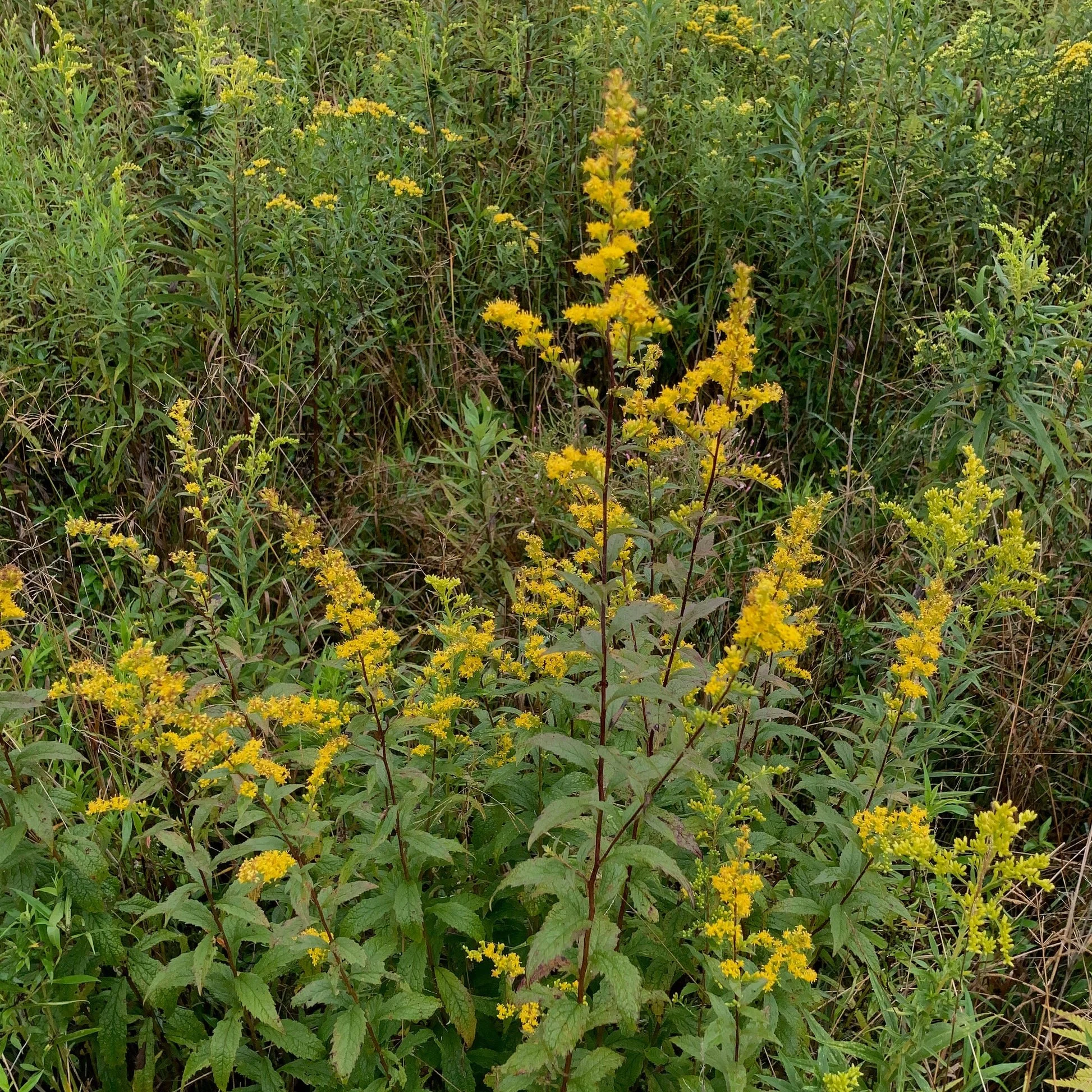
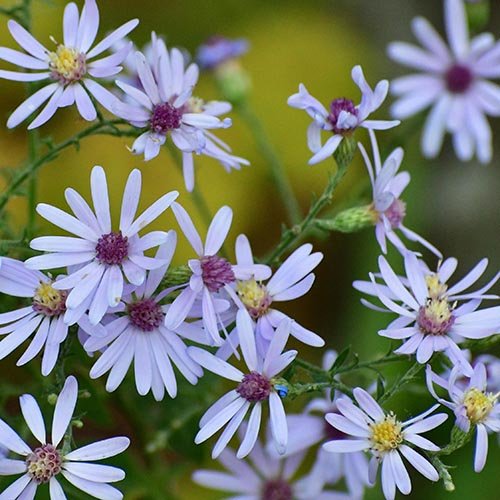
We have a strong population of Short’s aster growing wild here in Washington County, especially in limestone areas. You’ll see it holding on in rocky ground, slopes, and open edges where the soil is thin and drains quickly.
This is a plant that actually belongs in those conditions. It doesn’t need rich soil and doesn’t want wet ground. It does best where things are a little tougher and not overcrowded.
It blooms late, usually September into October, right when most of the earlier plants are done. You’ll still see pollinator activity on it at that point in the season, when options are starting to drop off.
It stays around 2–3 feet and grows as a clump. It doesn’t spread aggressively or take over, just builds out slowly where it’s planted.
This is a good fit for limestone slopes, open ground, and dry to medium sites where you want something that matches what’s already happening on the landscape.
Light: Full sun to part shade
Soil: Dry to medium; well-drained, limestone soils
Height: 2–3 ft
Bloom: September–October
Wildlife: Late-season pollinators
Growth: Clump-forming; stays in place and returns each year
We have a strong population of Short’s aster growing wild here in Washington County, especially in limestone areas. You’ll see it holding on in rocky ground, slopes, and open edges where the soil is thin and drains quickly.
This is a plant that actually belongs in those conditions. It doesn’t need rich soil and doesn’t want wet ground. It does best where things are a little tougher and not overcrowded.
It blooms late, usually September into October, right when most of the earlier plants are done. You’ll still see pollinator activity on it at that point in the season, when options are starting to drop off.
It stays around 2–3 feet and grows as a clump. It doesn’t spread aggressively or take over, just builds out slowly where it’s planted.
This is a good fit for limestone slopes, open ground, and dry to medium sites where you want something that matches what’s already happening on the landscape.
Light: Full sun to part shade
Soil: Dry to medium; well-drained, limestone soils
Height: 2–3 ft
Bloom: September–October
Wildlife: Late-season pollinators
Growth: Clump-forming; stays in place and returns each year