 Image 1 of 1
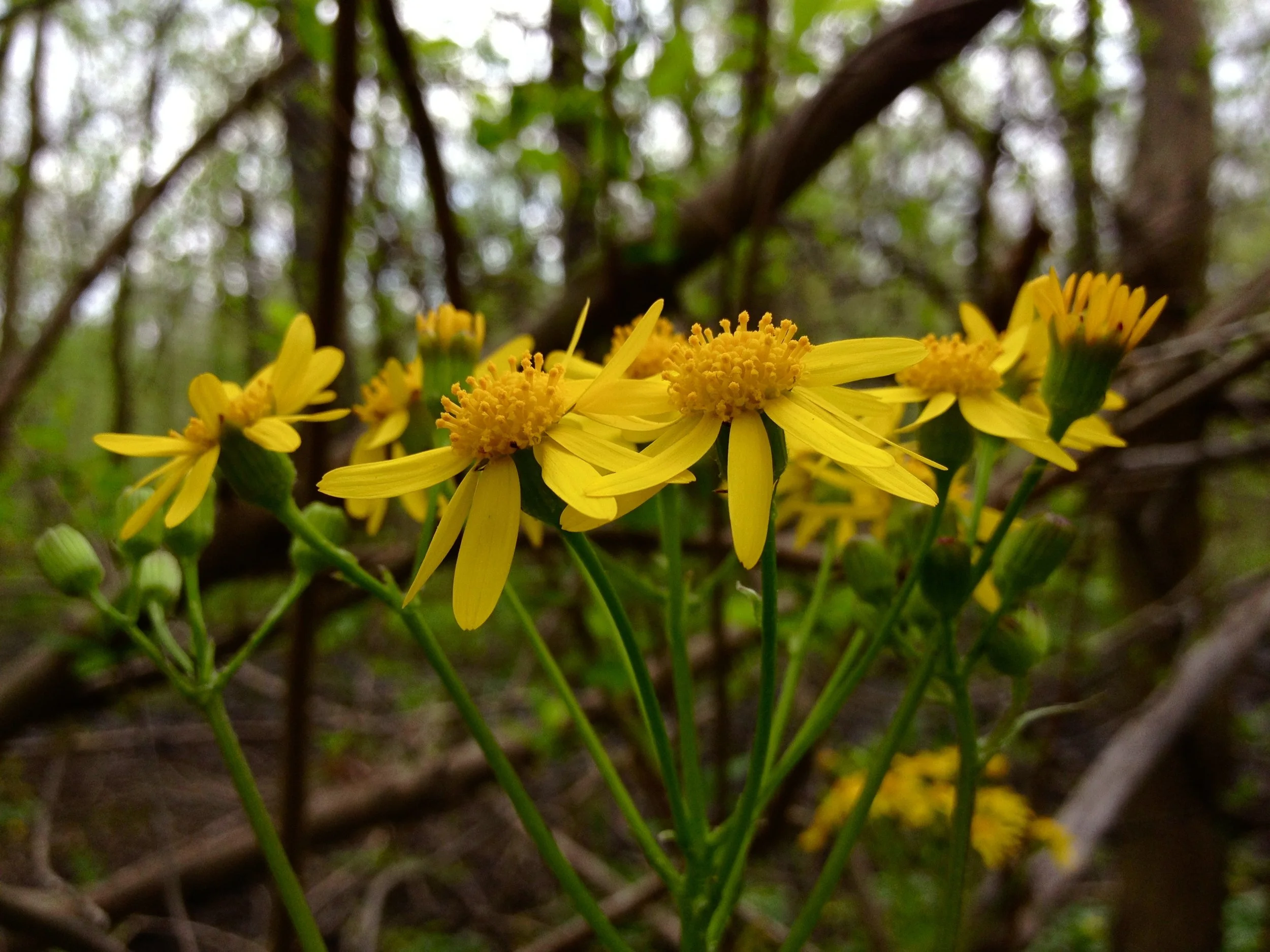
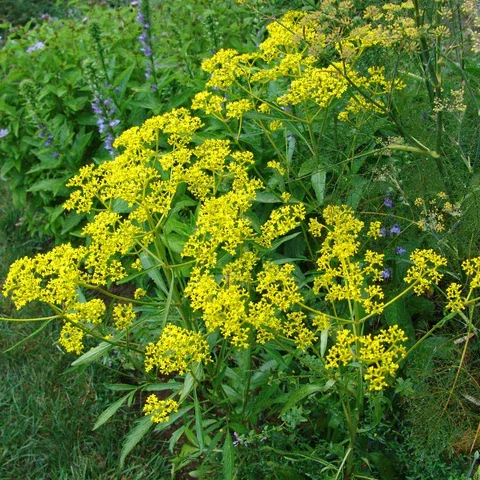
Golden Alexanders is one of the earlier plants that starts to take over once the spring ephemerals fade out across Washington County. You’ll see it come in strong through April into May, especially in open woods, field edges, and those slightly heavier soils that still have good drainage.
It handles our limestone-influenced soils well, especially in areas that hold a bit more moisture than your dry slopes. You’ll find it in those in-between spots… not fully wet, not fully dry. That’s where it really settles in naturally.
The yellow flower clusters don’t just sit there either. They’re one of the more active early-season food sources for pollinators, especially small native bees and flies that are working the landscape before summer species take over.
It usually grows around 1–3 feet tall and forms small colonies over time if conditions are right. It’s not aggressive, but it will hold its ground and slowly expand, especially in open or lightly shaded areas.
This is also an important host plant for black swallowtail butterflies, which adds another layer of value beyond just nectar.
This works well in meadow edges, open woodland plantings, and restoration areas where you’re trying to build out that early-season structure in Washington County conditions.
Light: Full sun to part shade
Soil: Medium; tolerates limestone soils, prefers areas that don’t stay fully dry
Height: 1–3 ft
Bloom: April to May
Wildlife: Native bees, flies, black swallowtail butterflies (host plant)
Growth: Clump-forming perennial; slowly spreads, dies back in winter and returns in spring
Golden Alexanders is one of the earlier plants that starts to take over once the spring ephemerals fade out across Washington County. You’ll see it come in strong through April into May, especially in open woods, field edges, and those slightly heavier soils that still have good drainage.
It handles our limestone-influenced soils well, especially in areas that hold a bit more moisture than your dry slopes. You’ll find it in those in-between spots… not fully wet, not fully dry. That’s where it really settles in naturally.
The yellow flower clusters don’t just sit there either. They’re one of the more active early-season food sources for pollinators, especially small native bees and flies that are working the landscape before summer species take over.
It usually grows around 1–3 feet tall and forms small colonies over time if conditions are right. It’s not aggressive, but it will hold its ground and slowly expand, especially in open or lightly shaded areas.
This is also an important host plant for black swallowtail butterflies, which adds another layer of value beyond just nectar.
This works well in meadow edges, open woodland plantings, and restoration areas where you’re trying to build out that early-season structure in Washington County conditions.
Light: Full sun to part shade
Soil: Medium; tolerates limestone soils, prefers areas that don’t stay fully dry
Height: 1–3 ft
Bloom: April to May
Wildlife: Native bees, flies, black swallowtail butterflies (host plant)
Growth: Clump-forming perennial; slowly spreads, dies back in winter and returns in spring