 Image 1 of 1
You’ll run into this one in Washington County along woodland edges and open areas where there’s enough light but still some cover. It handles those in-between spots well, especially where the soil is on the drier side and tied into limestone.
It doesn’t need rich soil to get going. You’ll see it hold in thinner ground where other plants start to drop out, especially on edges and slopes where drainage is decent.
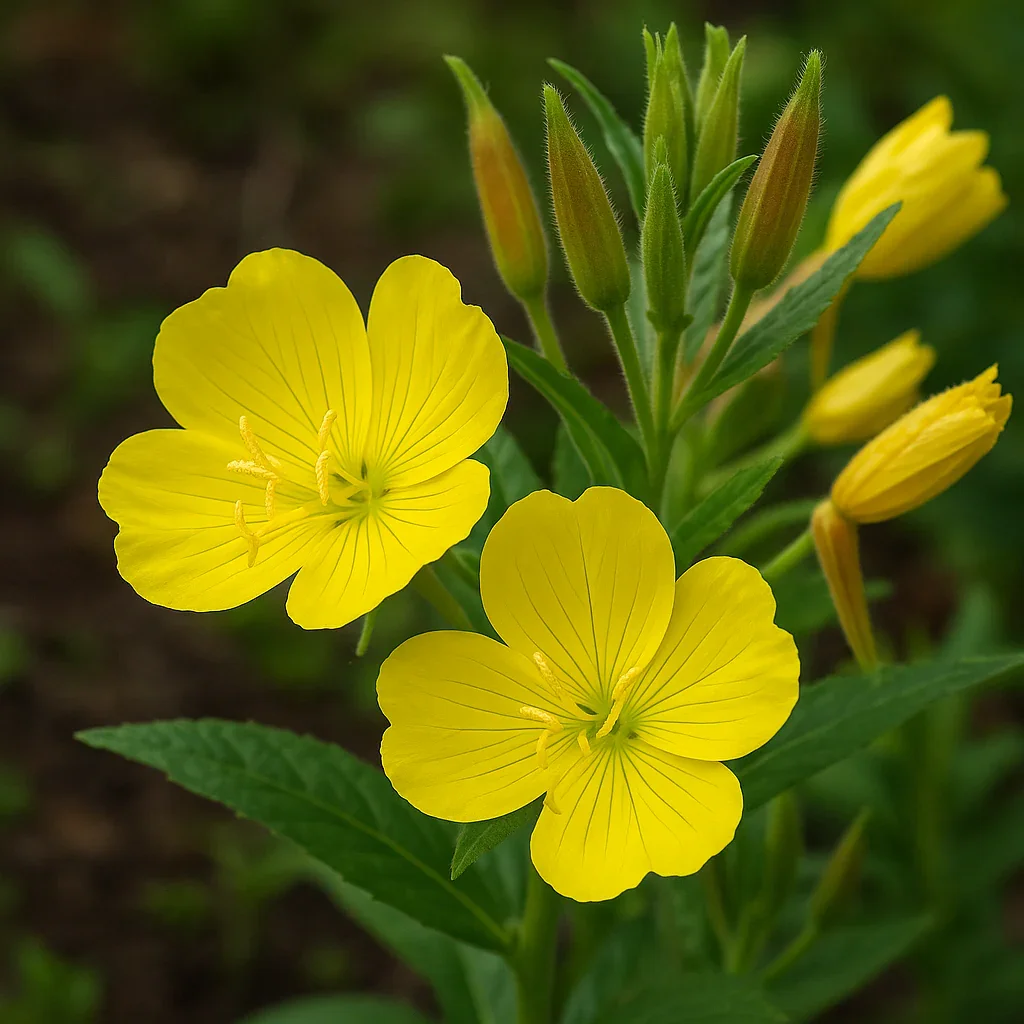
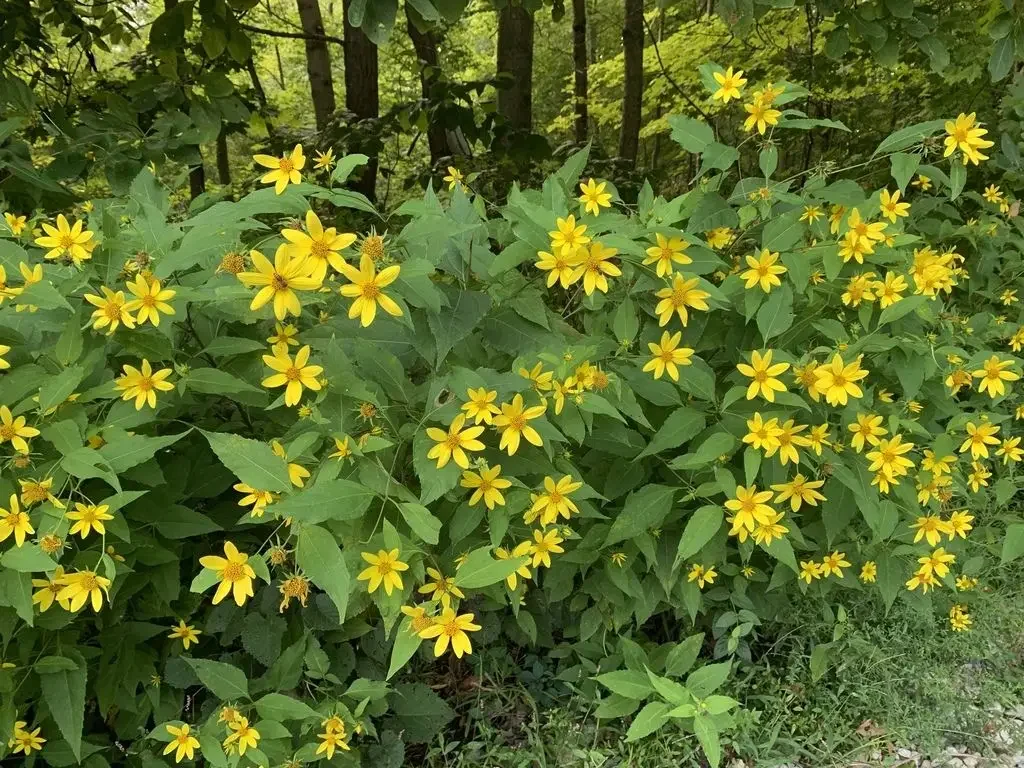
The yellow flowers come in mid to late summer and keep going for a while. It’s not a huge, showy sunflower like the annuals people are used to, but it stays active and brings in a steady mix of pollinators.
It usually grows around 3–5 feet and will spread over time. In the right conditions, it can start to form patches, so it’s better suited for naturalized plantings or areas where you want it to fill in and hold ground.
This is a good fit for woodland edges, dry slopes, and restoration work where you need something that can handle Washington County soils without a lot of input.
Light: Full sun to part shade
Soil: Dry to medium; well-drained, often rocky or limestone-influenced soils
Height: 3–5 ft
Bloom: Mid to late summer
Wildlife: Native bees, butterflies
Growth: Spreading perennial; forms colonies over time, dies back in winter and returns in spring
You’ll run into this one in Washington County along woodland edges and open areas where there’s enough light but still some cover. It handles those in-between spots well, especially where the soil is on the drier side and tied into limestone.
It doesn’t need rich soil to get going. You’ll see it hold in thinner ground where other plants start to drop out, especially on edges and slopes where drainage is decent.
The yellow flowers come in mid to late summer and keep going for a while. It’s not a huge, showy sunflower like the annuals people are used to, but it stays active and brings in a steady mix of pollinators.
It usually grows around 3–5 feet and will spread over time. In the right conditions, it can start to form patches, so it’s better suited for naturalized plantings or areas where you want it to fill in and hold ground.
This is a good fit for woodland edges, dry slopes, and restoration work where you need something that can handle Washington County soils without a lot of input.
Light: Full sun to part shade
Soil: Dry to medium; well-drained, often rocky or limestone-influenced soils
Height: 3–5 ft
Bloom: Mid to late summer
Wildlife: Native bees, butterflies
Growth: Spreading perennial; forms colonies over time, dies back in winter and returns in spring