 Image 1 of 1
Golden alexanders shows up in prairies, open woodlands, woodland edges, and moist meadows around Washington County. It’s most common in areas with medium moisture and good sunlight, though it also adapts well to light shade.
You’ll often find it growing in deeper soils that hold some moisture through spring but don’t stay wet for extended periods. Once established, it handles a range of conditions and fits well into both meadow and garden plantings.
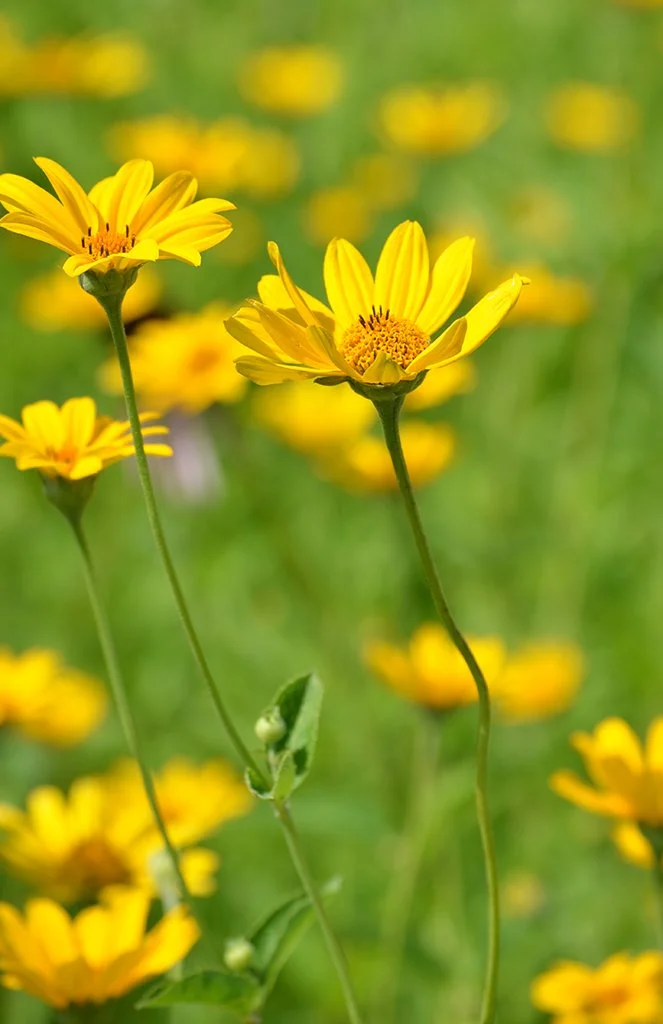
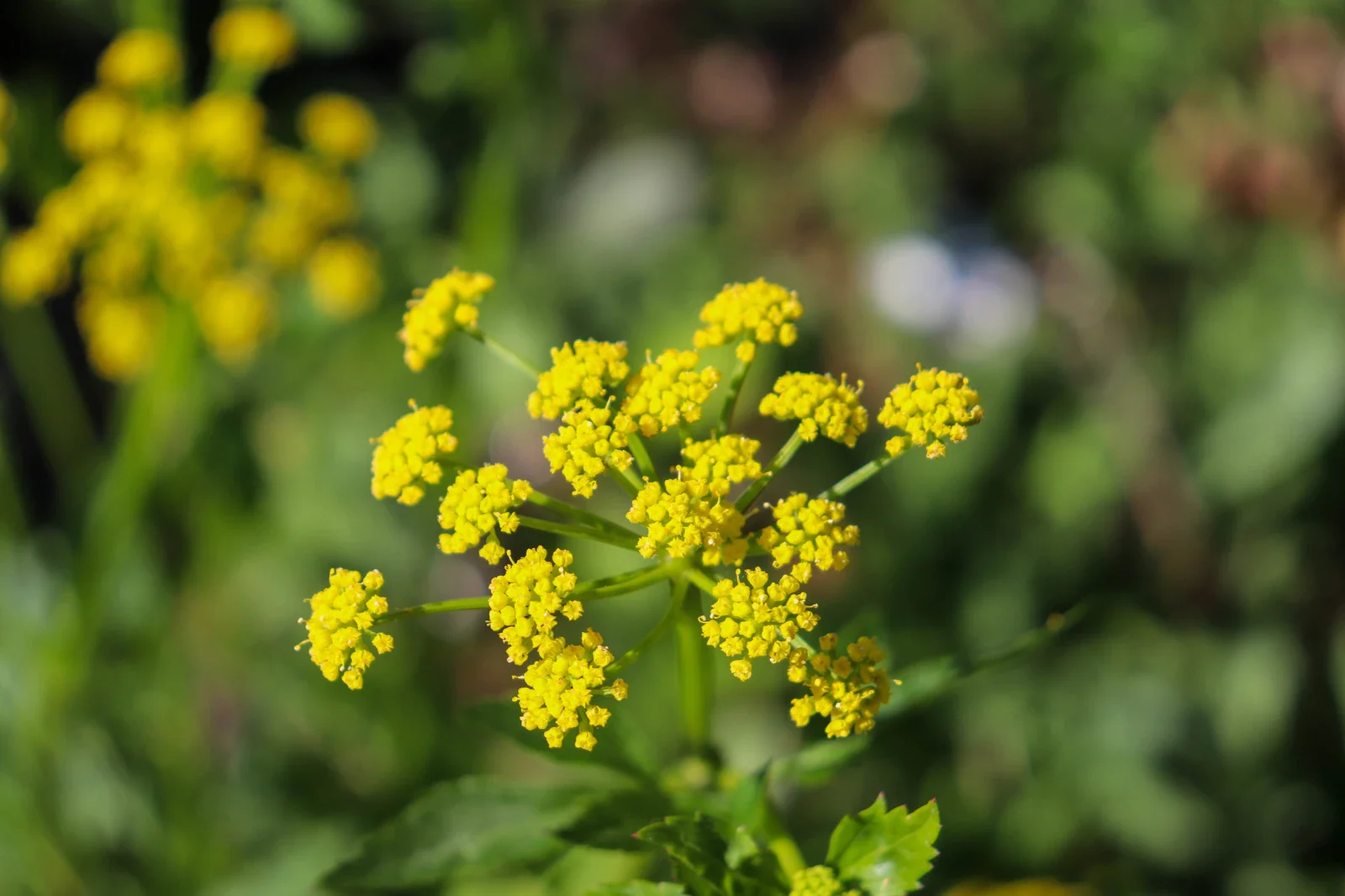
The plant forms upright clumps of attractive foliage and produces clusters of bright yellow flowers in late spring. The blooms resemble small, flattened umbrellas and provide an important nectar source at a time when many pollinators are becoming active.
It typically reaches 1–3 feet tall and blends easily with other native species. After flowering, the seed heads add interest and provide food for wildlife while the foliage remains attractive through much of the growing season.
The flowers attract a wide variety of native bees, beneficial insects, and butterflies, including serving as a host plant for black swallowtail butterflies.
This is a dependable choice for native gardens, pollinator plantings, and meadow restorations where you want early-season color and strong ecological value.
Light: Full sun to part shade
Soil: Medium to moist; adaptable to a variety of well-drained soils
Height: 1–3 ft
Bloom: Late spring to early summer
Wildlife: Native bees, butterflies, beneficial insects; host plant for black swallowtail butterflies
Growth: Clump-forming perennial; readily self-seeds in favorable conditions, dies back in winter and returns in spring
Golden alexanders shows up in prairies, open woodlands, woodland edges, and moist meadows around Washington County. It’s most common in areas with medium moisture and good sunlight, though it also adapts well to light shade.
You’ll often find it growing in deeper soils that hold some moisture through spring but don’t stay wet for extended periods. Once established, it handles a range of conditions and fits well into both meadow and garden plantings.
The plant forms upright clumps of attractive foliage and produces clusters of bright yellow flowers in late spring. The blooms resemble small, flattened umbrellas and provide an important nectar source at a time when many pollinators are becoming active.
It typically reaches 1–3 feet tall and blends easily with other native species. After flowering, the seed heads add interest and provide food for wildlife while the foliage remains attractive through much of the growing season.
The flowers attract a wide variety of native bees, beneficial insects, and butterflies, including serving as a host plant for black swallowtail butterflies.
This is a dependable choice for native gardens, pollinator plantings, and meadow restorations where you want early-season color and strong ecological value.
Light: Full sun to part shade
Soil: Medium to moist; adaptable to a variety of well-drained soils
Height: 1–3 ft
Bloom: Late spring to early summer
Wildlife: Native bees, butterflies, beneficial insects; host plant for black swallowtail butterflies
Growth: Clump-forming perennial; readily self-seeds in favorable conditions, dies back in winter and returns in spring