 Image 1 of 1
Golden ragwort shows up in moist woodlands, woodland edges, stream corridors, and low meadows around Washington County. It’s most common in areas where the soil stays consistently moist, though it can adapt to average garden conditions once established.
You’ll often find it growing in partial shade beneath open tree canopies or along the edges of wetlands and forests. It spreads gradually through underground rhizomes, forming attractive colonies that help cover the ground and suppress weeds.
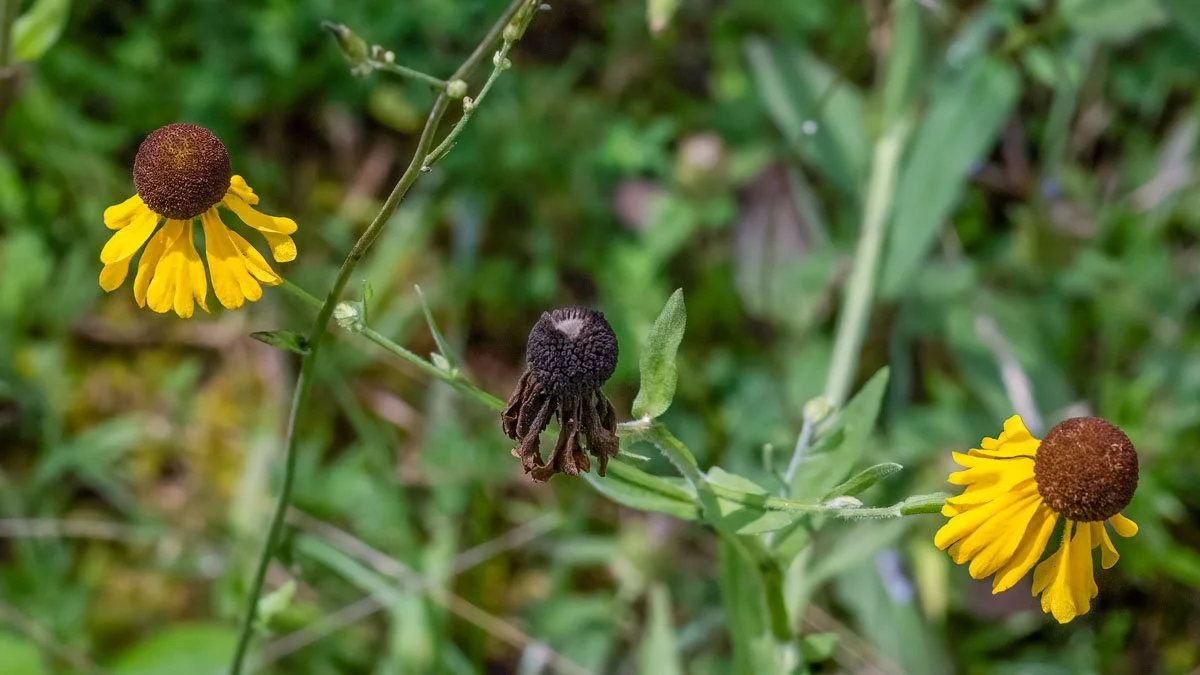
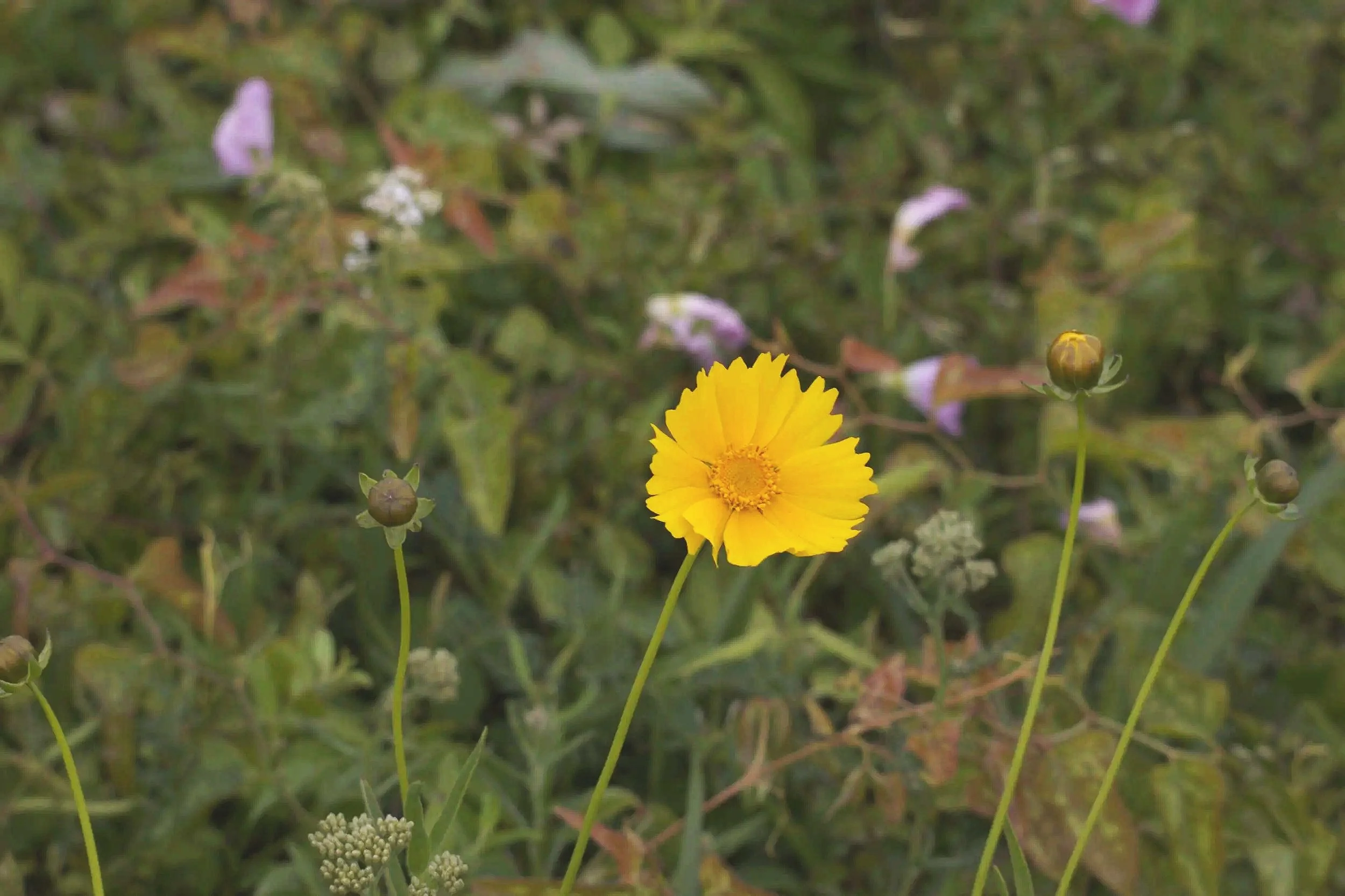
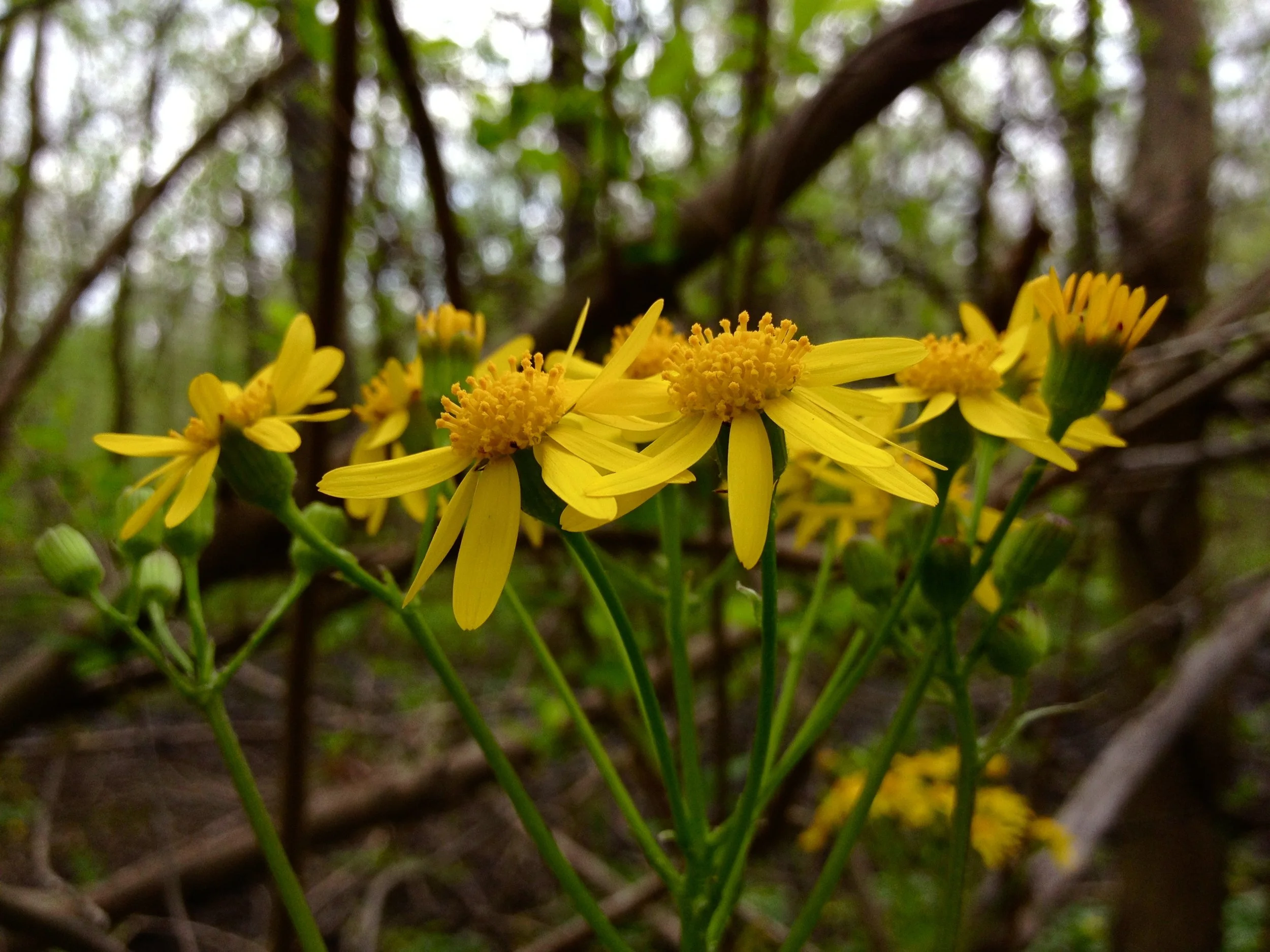
The plant stays fairly low for most of the year, producing glossy, evergreen to semi-evergreen basal foliage. In spring, clusters of bright yellow flowers rise above the leaves, providing one of the earlier bursts of color in native plantings.
It typically reaches 1–3 feet tall when in bloom and works well in woodland gardens, shaded rain gardens, and naturalized areas. The flowers attract a variety of native bees, butterflies, and other beneficial insects emerging early in the season.
Once established, it forms a durable ground layer that helps fill gaps between larger plants without becoming difficult to manage.
This is a strong choice for moist, partly shaded areas where you need dependable spring color, wildlife value, and long-term ground coverage.
Light: Part shade to full sun
Soil: Medium to wet; prefers consistent moisture
Height: 1–3 ft
Bloom: Spring to early summer
Wildlife: Native bees, butterflies, and other pollinators
Growth: Colony-forming perennial; spreads gradually by rhizomes, semi-evergreen in mild winters
Golden ragwort shows up in moist woodlands, woodland edges, stream corridors, and low meadows around Washington County. It’s most common in areas where the soil stays consistently moist, though it can adapt to average garden conditions once established.
You’ll often find it growing in partial shade beneath open tree canopies or along the edges of wetlands and forests. It spreads gradually through underground rhizomes, forming attractive colonies that help cover the ground and suppress weeds.
The plant stays fairly low for most of the year, producing glossy, evergreen to semi-evergreen basal foliage. In spring, clusters of bright yellow flowers rise above the leaves, providing one of the earlier bursts of color in native plantings.
It typically reaches 1–3 feet tall when in bloom and works well in woodland gardens, shaded rain gardens, and naturalized areas. The flowers attract a variety of native bees, butterflies, and other beneficial insects emerging early in the season.
Once established, it forms a durable ground layer that helps fill gaps between larger plants without becoming difficult to manage.
This is a strong choice for moist, partly shaded areas where you need dependable spring color, wildlife value, and long-term ground coverage.
Light: Part shade to full sun
Soil: Medium to wet; prefers consistent moisture
Height: 1–3 ft
Bloom: Spring to early summer
Wildlife: Native bees, butterflies, and other pollinators
Growth: Colony-forming perennial; spreads gradually by rhizomes, semi-evergreen in mild winters