 Image 1 of 1
This one shows up in Washington County along woodland edges, glades, open woods, and dry fields where the soil drains well. You'll often find it on rocky slopes and in limestone soils that stay on the drier side.
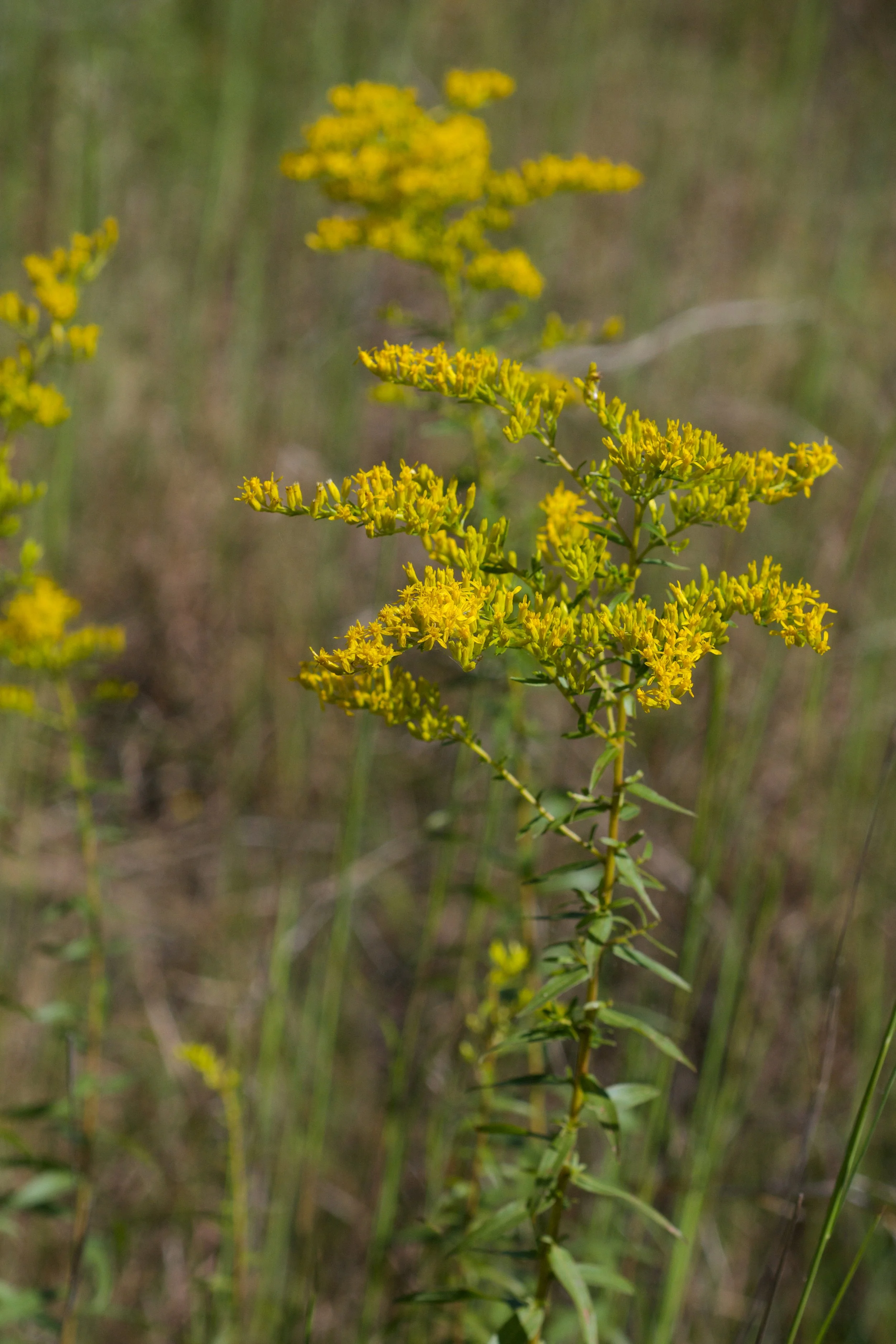
It grows upright, usually reaching 2–4 feet tall, with narrow leaves that give off a sweet anise scent when crushed. By late summer, it sends up clusters of bright yellow flowers that stand out when many other native plants have already finished blooming.
It handles heat, drought, and poor soils without much trouble, making it a dependable choice for native plantings and meadow-style gardens. It stays fairly well-behaved and mixes easily with other species instead of taking over.
The late-season blooms draw in native bees, butterflies, and other pollinators when floral resources are becoming harder to find.
This is one of those plants that quietly does a lot of work in a planting—adding fall color, supporting wildlife, and holding its place without demanding much attention.
Light: Full sun to part shade
Soil: Dry to medium; well-drained, tolerates rocky and limestone soils
Height: 2–4 ft
Bloom: Late summer into fall
Wildlife: Native bees, butterflies, and other pollinators
Growth: Clump-forming perennial; drought tolerant, dies back in winter and returns in spring
This one shows up in Washington County along woodland edges, glades, open woods, and dry fields where the soil drains well. You'll often find it on rocky slopes and in limestone soils that stay on the drier side.
It grows upright, usually reaching 2–4 feet tall, with narrow leaves that give off a sweet anise scent when crushed. By late summer, it sends up clusters of bright yellow flowers that stand out when many other native plants have already finished blooming.
It handles heat, drought, and poor soils without much trouble, making it a dependable choice for native plantings and meadow-style gardens. It stays fairly well-behaved and mixes easily with other species instead of taking over.
The late-season blooms draw in native bees, butterflies, and other pollinators when floral resources are becoming harder to find.
This is one of those plants that quietly does a lot of work in a planting—adding fall color, supporting wildlife, and holding its place without demanding much attention.
Light: Full sun to part shade
Soil: Dry to medium; well-drained, tolerates rocky and limestone soils
Height: 2–4 ft
Bloom: Late summer into fall
Wildlife: Native bees, butterflies, and other pollinators
Growth: Clump-forming perennial; drought tolerant, dies back in winter and returns in spring