 Image 1 of 1
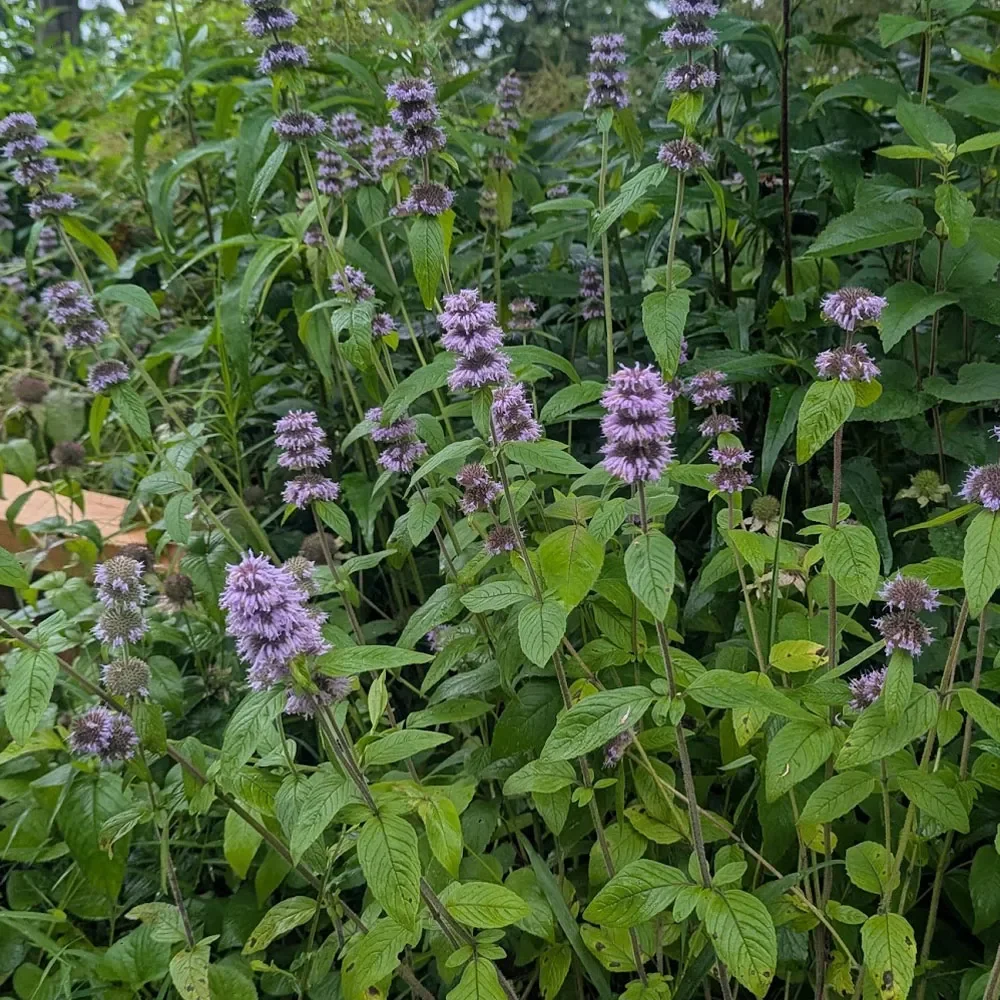
This is the bee balm you’ll find in the wetter parts of Washington County. Along streams, low ground, and areas where the soil holds moisture. It’s not a dry-site plant. If the ground dries out too much, it won’t hold up the same way.
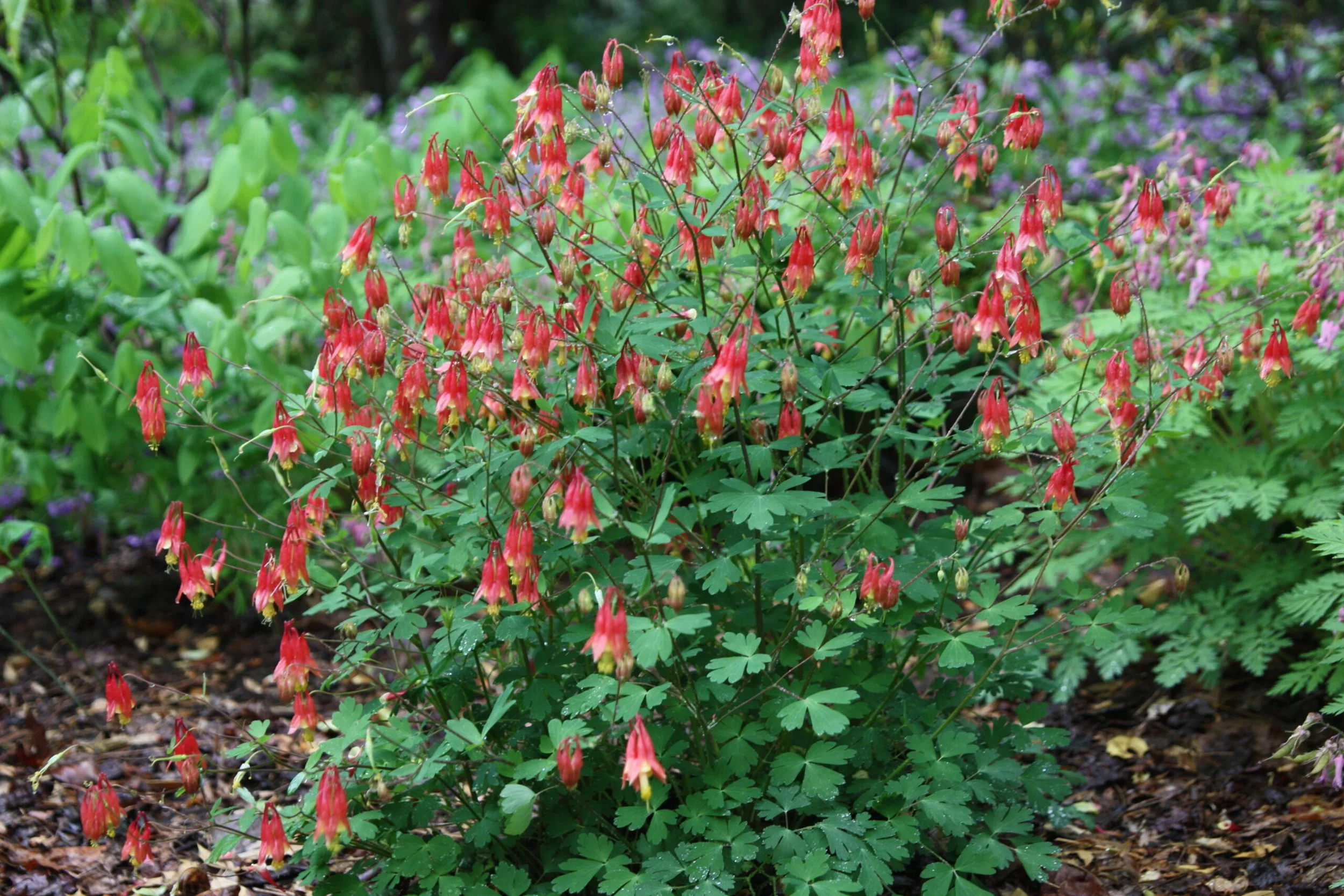
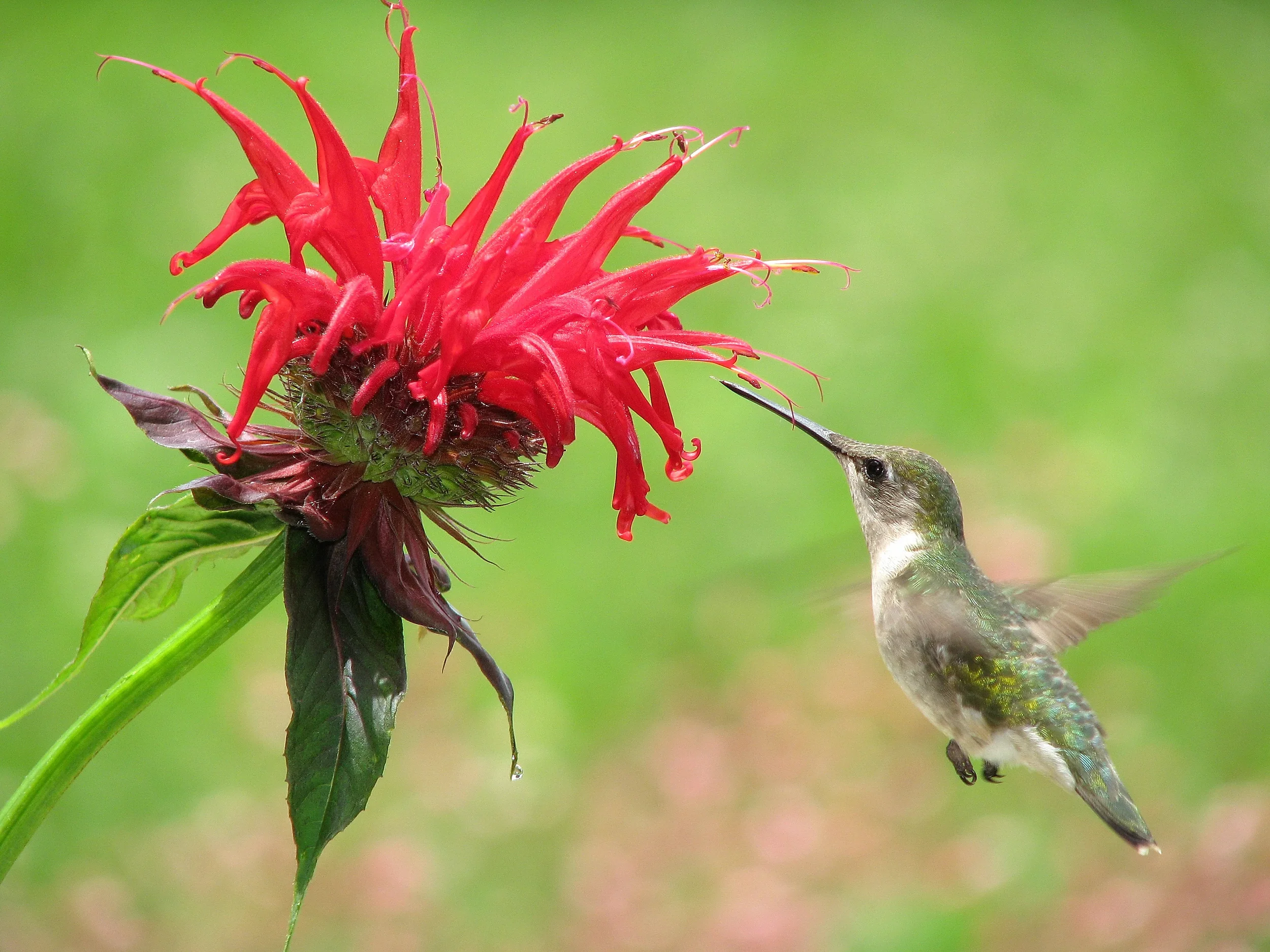
Put it in the right spot and it does what it’s supposed to. The red flowers come in early to mid summer and pull in hummingbirds right away. You’ll still get bees working it, but this one stands out more for the birds.
It usually grows around 2–4 feet and will spread if it’s happy. In good soil with consistent moisture, it’ll fill in and hold that space.
This works best in rain gardens, lower areas, and anywhere water is part of the site. Not something you force into a dry planting.
Light: Full sun to part shade
Soil: Medium to wet; moisture-holding soils
Height: 2–4 ft
Bloom: Early to mid summer
Wildlife: Hummingbirds, bees
Growth: Spreading perennial; does best with consistent moisture
This is the bee balm you’ll find in the wetter parts of Washington County. Along streams, low ground, and areas where the soil holds moisture. It’s not a dry-site plant. If the ground dries out too much, it won’t hold up the same way.
Put it in the right spot and it does what it’s supposed to. The red flowers come in early to mid summer and pull in hummingbirds right away. You’ll still get bees working it, but this one stands out more for the birds.
It usually grows around 2–4 feet and will spread if it’s happy. In good soil with consistent moisture, it’ll fill in and hold that space.
This works best in rain gardens, lower areas, and anywhere water is part of the site. Not something you force into a dry planting.
Light: Full sun to part shade
Soil: Medium to wet; moisture-holding soils
Height: 2–4 ft
Bloom: Early to mid summer
Wildlife: Hummingbirds, bees
Growth: Spreading perennial; does best with consistent moisture