 Image 1 of 1
Culver’s root shows up in moist meadows, stream edges, and low ground across Washington County. It’s most common in areas where the soil holds moisture through the growing season but still drains enough to avoid standing water.
You’ll find it in deeper soils with consistent moisture, often in open or lightly shaded areas. It handles those conditions well and tends to establish best where it doesn’t dry out completely.
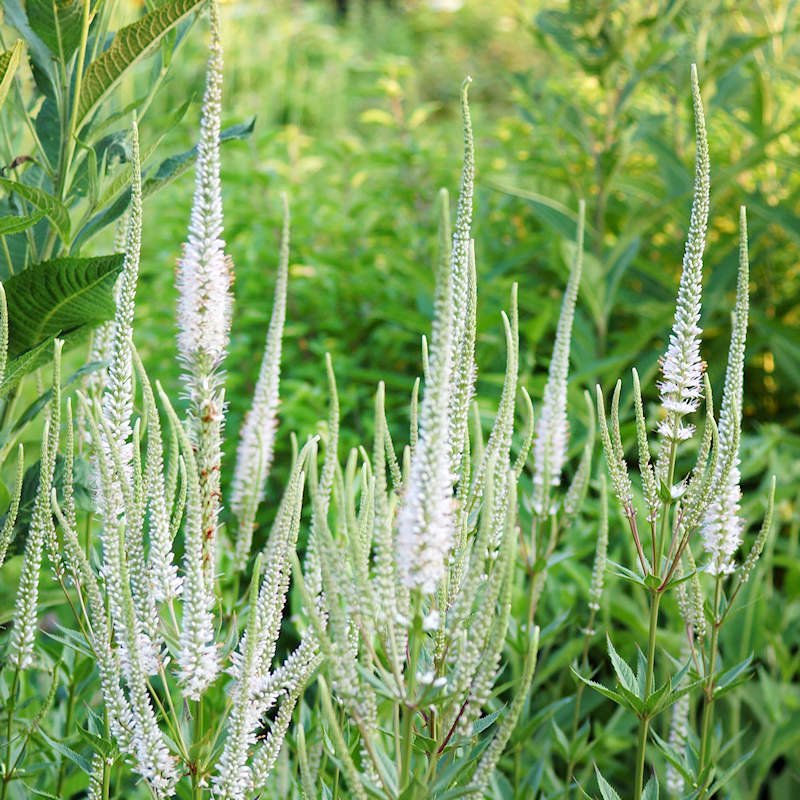
The plant grows upright with narrow, vertical flower spikes that branch slightly at the top. The blooms come in mid-summer and pull in a steady mix of pollinators, especially native bees.
It usually reaches around 4–6 feet tall and stays fairly narrow, which makes it useful in tighter plantings where you still want height. It doesn’t spread aggressively but will settle in and persist where conditions are right.
This is a strong choice for rain gardens, meadow edges, and areas with consistent moisture where you want vertical structure without a lot of bulk.
Light: Full sun to part sun
Soil: Medium to wet; prefers consistent moisture
Height: 3–6 ft
Bloom: Mid-summer
Wildlife: Pollinators, especially native bees
Growth: Clump-forming perennial; slowly expanding, not aggressive
Culver’s root shows up in moist meadows, stream edges, and low ground across Washington County. It’s most common in areas where the soil holds moisture through the growing season but still drains enough to avoid standing water.
You’ll find it in deeper soils with consistent moisture, often in open or lightly shaded areas. It handles those conditions well and tends to establish best where it doesn’t dry out completely.
The plant grows upright with narrow, vertical flower spikes that branch slightly at the top. The blooms come in mid-summer and pull in a steady mix of pollinators, especially native bees.
It usually reaches around 4–6 feet tall and stays fairly narrow, which makes it useful in tighter plantings where you still want height. It doesn’t spread aggressively but will settle in and persist where conditions are right.
This is a strong choice for rain gardens, meadow edges, and areas with consistent moisture where you want vertical structure without a lot of bulk.
Light: Full sun to part sun
Soil: Medium to wet; prefers consistent moisture
Height: 3–6 ft
Bloom: Mid-summer
Wildlife: Pollinators, especially native bees
Growth: Clump-forming perennial; slowly expanding, not aggressive