
 Image 1 of 1
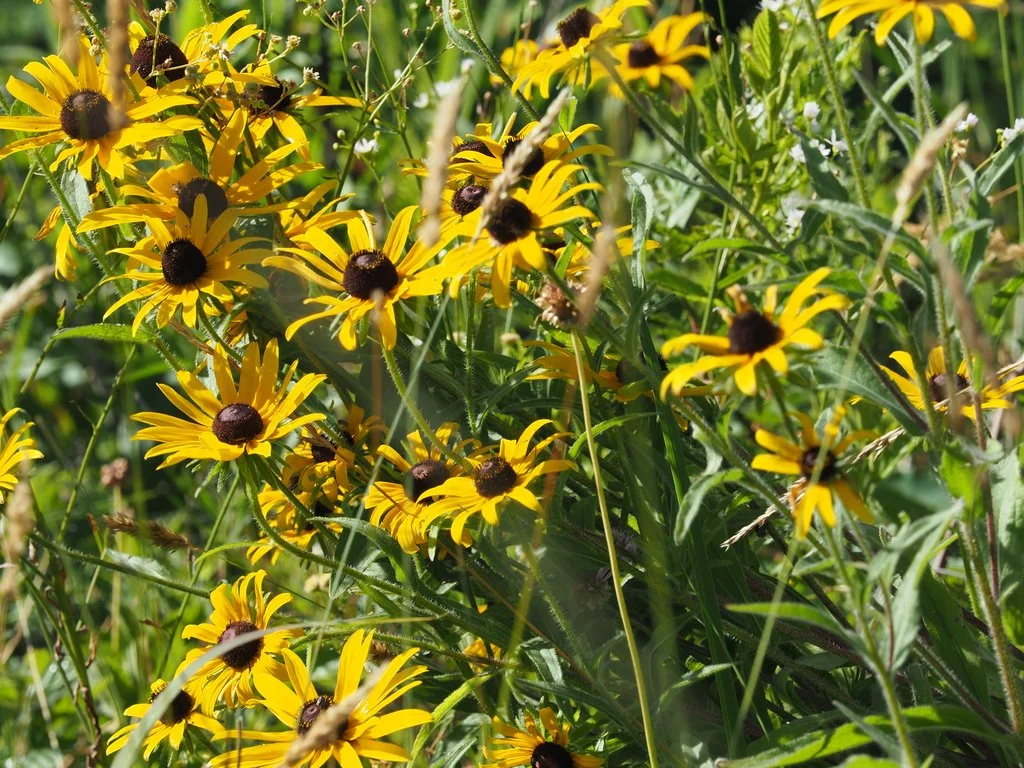
Black-Eyed Susan is a tough, sun-loving perennial native to Maryland and the Central Appalachians. It forms upright clumps (1–3 ft) with coarse, hairy foliage and bright golden-yellow petals surrounding a dark central cone. Blooms begin in early to midsummer and continue into fall, providing long-lasting color and attracting butterflies, native bees, and beneficial pollinators.
This species thrives in full sun and tolerates a wide range of soils—from clay and rocky ground to average garden loam. It establishes quickly from plugs and often flowers in its first year. Once established, Black-Eyed Susan is drought-tolerant and well-suited to open meadows, pollinator gardens, field edges, and low-maintenance plantings.
Black-Eyed Susan is an excellent choice for new gardeners and restoration projects alike. Its reliability, strong color, and ecological value make it a foundational native for Maryland landscapes.
Light: Full sun to part sun
Soil: Dry to average; clay, rocky, and sandy soils are tolerated
Moisture: Low to medium
Height: 1–3 ft
Bloom: Early summer to fall
Wildlife: Butterflies, native bees, beneficial insects
Growth: Clump-forming; fast to establish; drought-tolerant once established
Black-Eyed Susan is a tough, sun-loving perennial native to Maryland and the Central Appalachians. It forms upright clumps (1–3 ft) with coarse, hairy foliage and bright golden-yellow petals surrounding a dark central cone. Blooms begin in early to midsummer and continue into fall, providing long-lasting color and attracting butterflies, native bees, and beneficial pollinators.
This species thrives in full sun and tolerates a wide range of soils—from clay and rocky ground to average garden loam. It establishes quickly from plugs and often flowers in its first year. Once established, Black-Eyed Susan is drought-tolerant and well-suited to open meadows, pollinator gardens, field edges, and low-maintenance plantings.
Black-Eyed Susan is an excellent choice for new gardeners and restoration projects alike. Its reliability, strong color, and ecological value make it a foundational native for Maryland landscapes.
Light: Full sun to part sun
Soil: Dry to average; clay, rocky, and sandy soils are tolerated
Moisture: Low to medium
Height: 1–3 ft
Bloom: Early summer to fall
Wildlife: Butterflies, native bees, beneficial insects
Growth: Clump-forming; fast to establish; drought-tolerant once established